
Interview: Anastasia Sierra on ‘The Witching Hour’, using fine art photography as a way to connect with loved ones.
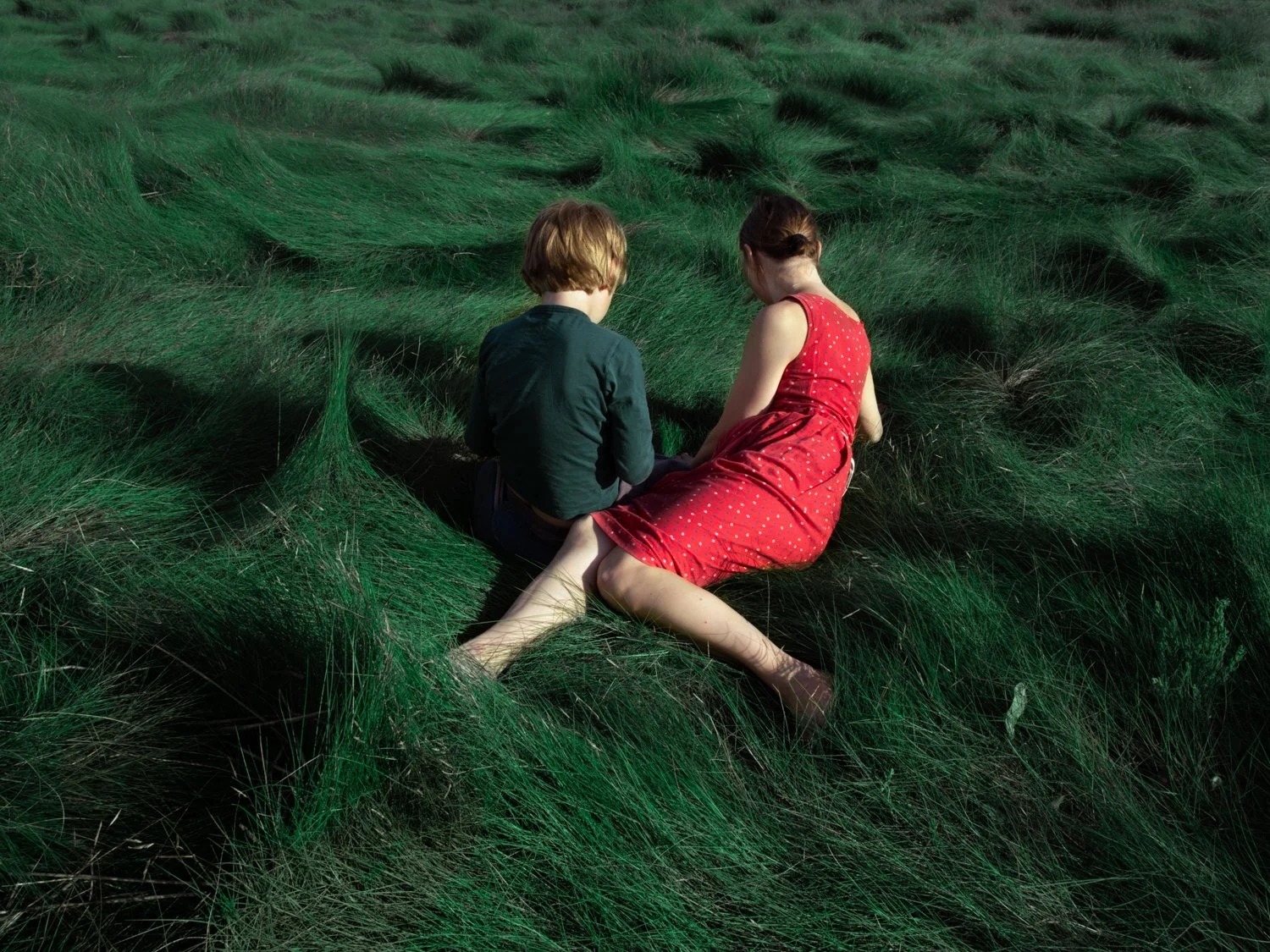
'The Witching Hour' represents the logic of your dreams and caregiving during a period of your life, when did you choose to start making photographic work about this topic?
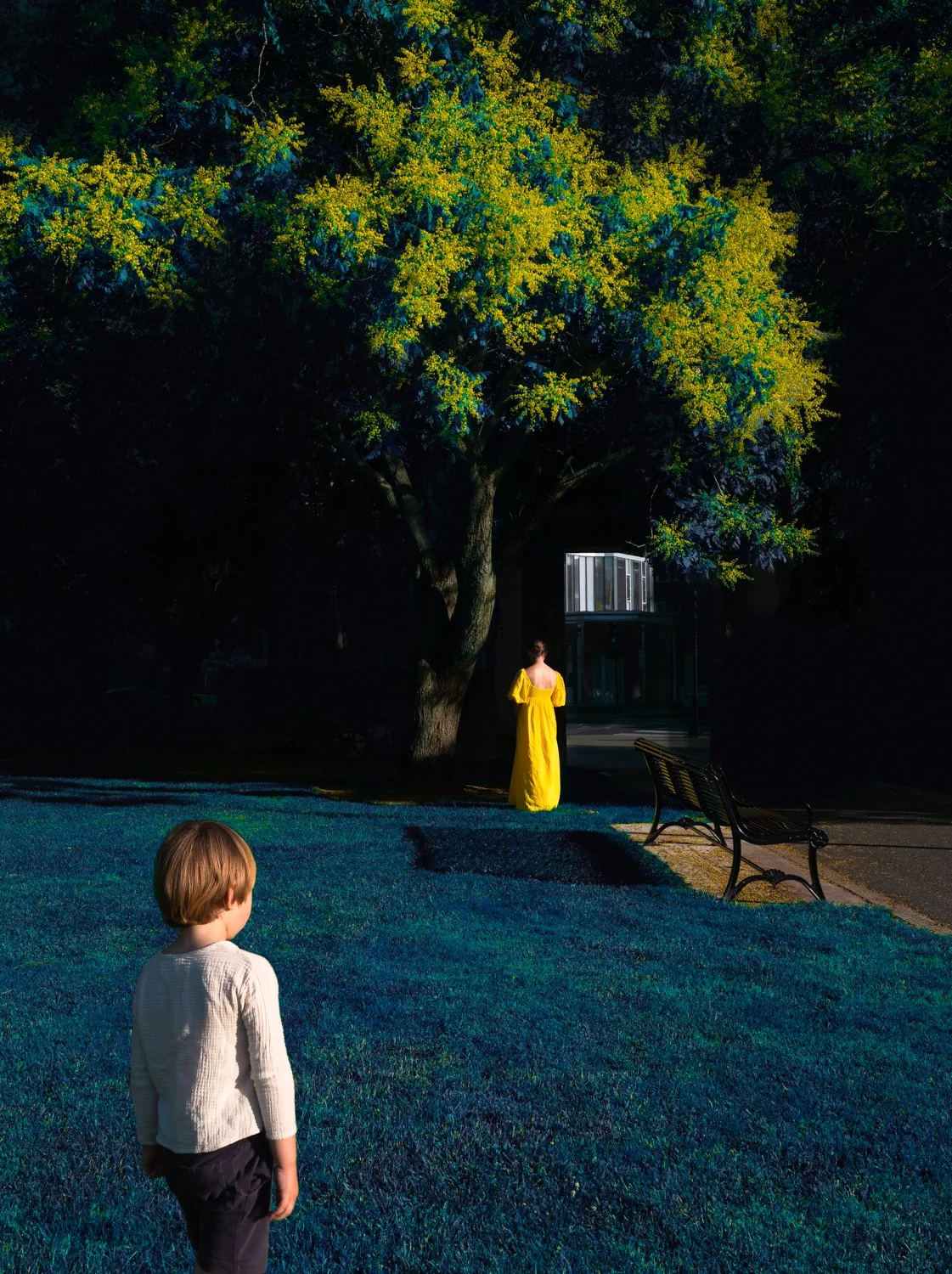
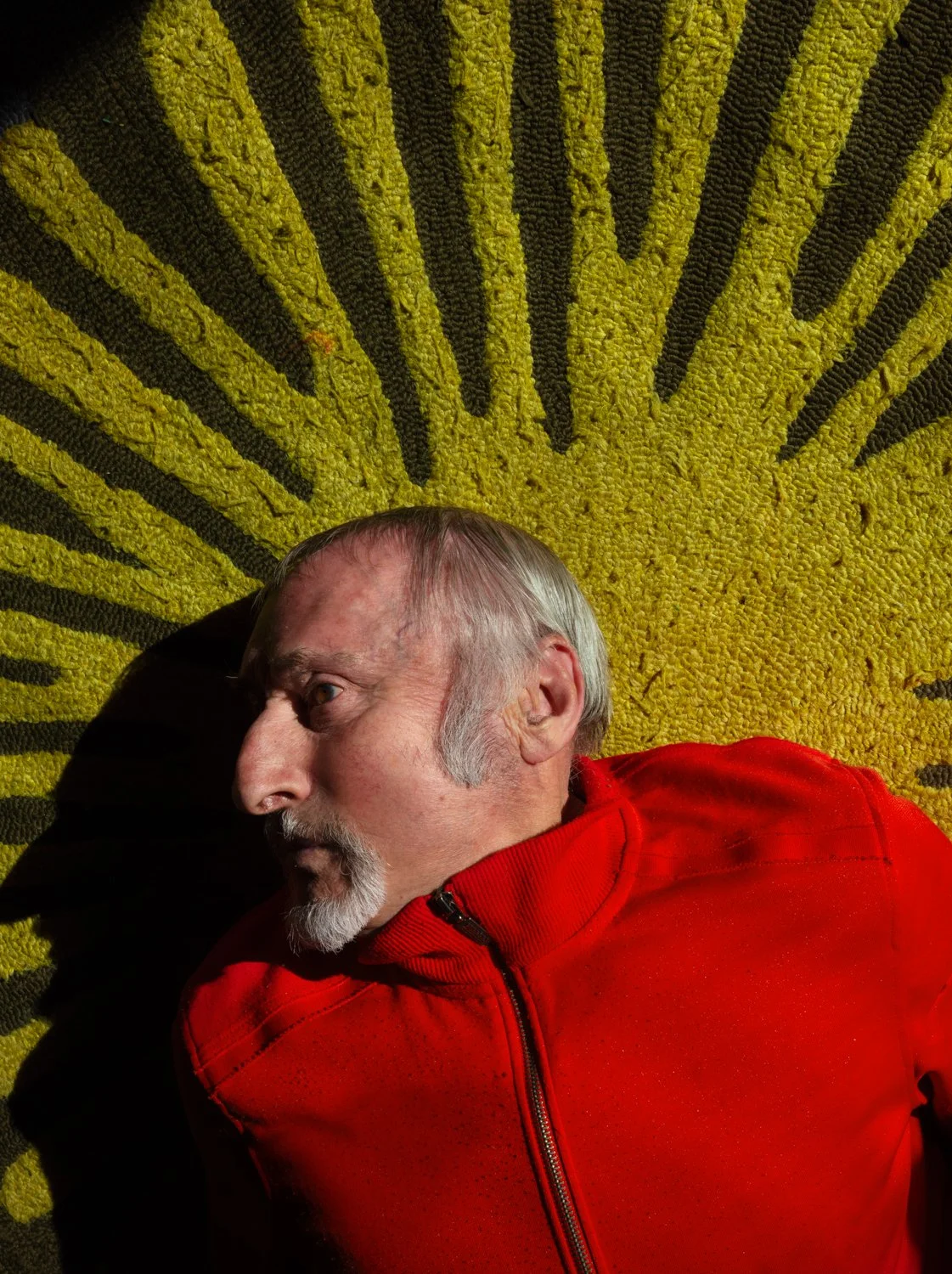
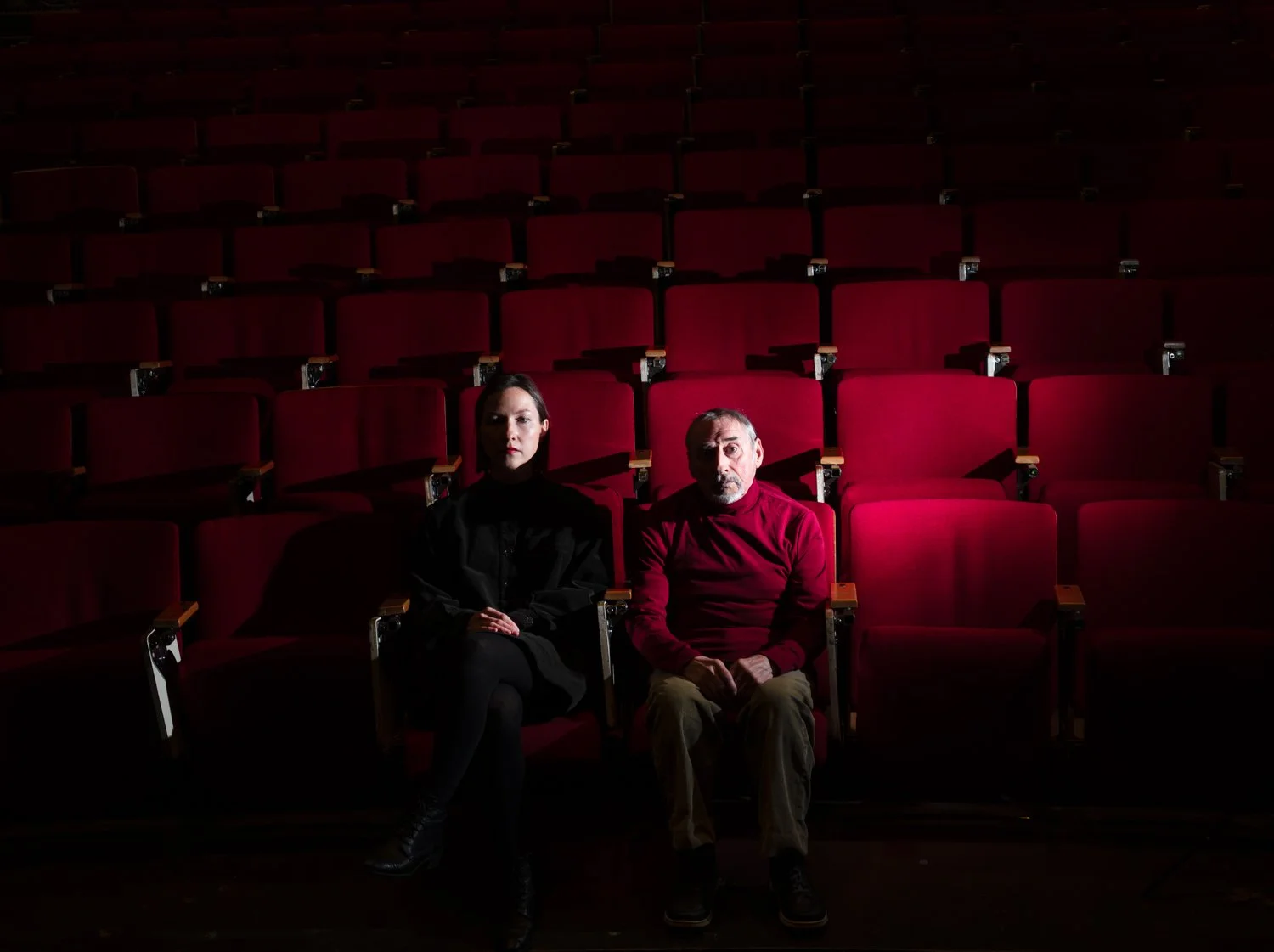
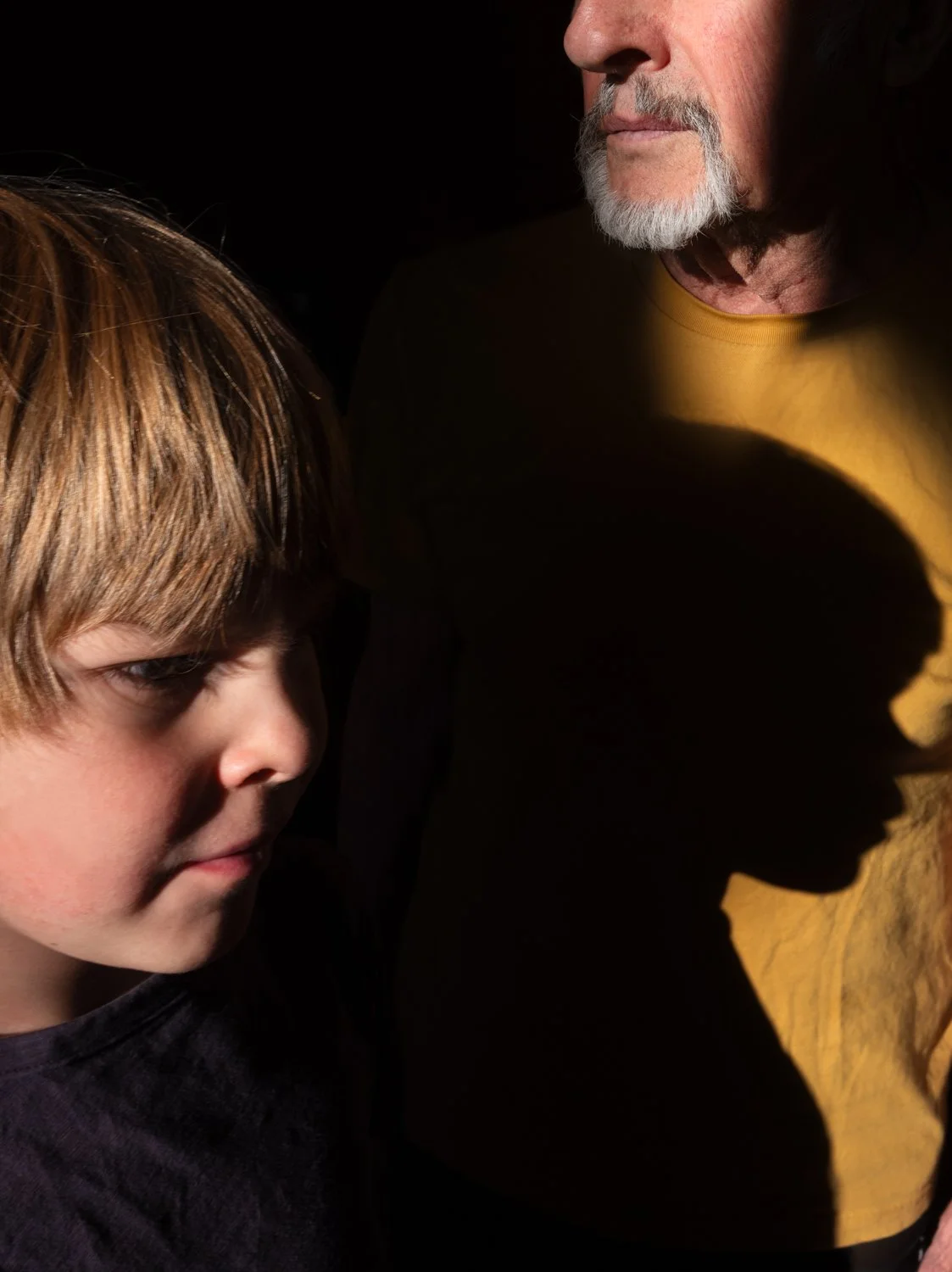
I have been photographing my experience of motherhood since my son was a toddler. We didn’t have reliable childcare then, and making pictures at home was all I could do. At first, it was a way to stay an artist—becoming a mother was a major identity shift I didn't expect. I continued to do commissions but between the lack of childcare and the erratic schedule, my personal work felt increasingly out of reach. It was painful. I started making pictures with my son and over time, discovered I could use photography to talk about personal experiences. Then my mother passed away, and my father moved from Russia to the US. My father and son don’t share a language. We live in the same space, but occupy different worlds—culturally, politically, and personally. Making pictures together has become our way to connect without words.
How did your relationship with photography start and how do you find using it to explore complex, personal themes such as motherhood and womanhood?
It started with a photography class in my 20s. I was in a more practical career, but quickly became obsessed to the point where I decided to quit my day job and work as a freelance photographer full time. I was working in portraiture and fashion, but didn’t come to fine art photography until fairly recently. I didn’t come from an art background so the idea of making work about something was a revelation. I have since gone through an MFA program and am graduating next month. My relationship with photography has evolved quite a bit, even though my approach to imagemaking remains largely the same. I think photography, and art more broadly, is a great way to process complex experiences, and give them importance. The resulting images don’t necessarily offer a resolution, but pointing your lens at something that troubles you instead of running away from it can be meaningful and restorative.
Your photographs are full of bold colours, storytelling and are almost theatrical in nature. How did you choose your style and go about creating your work?
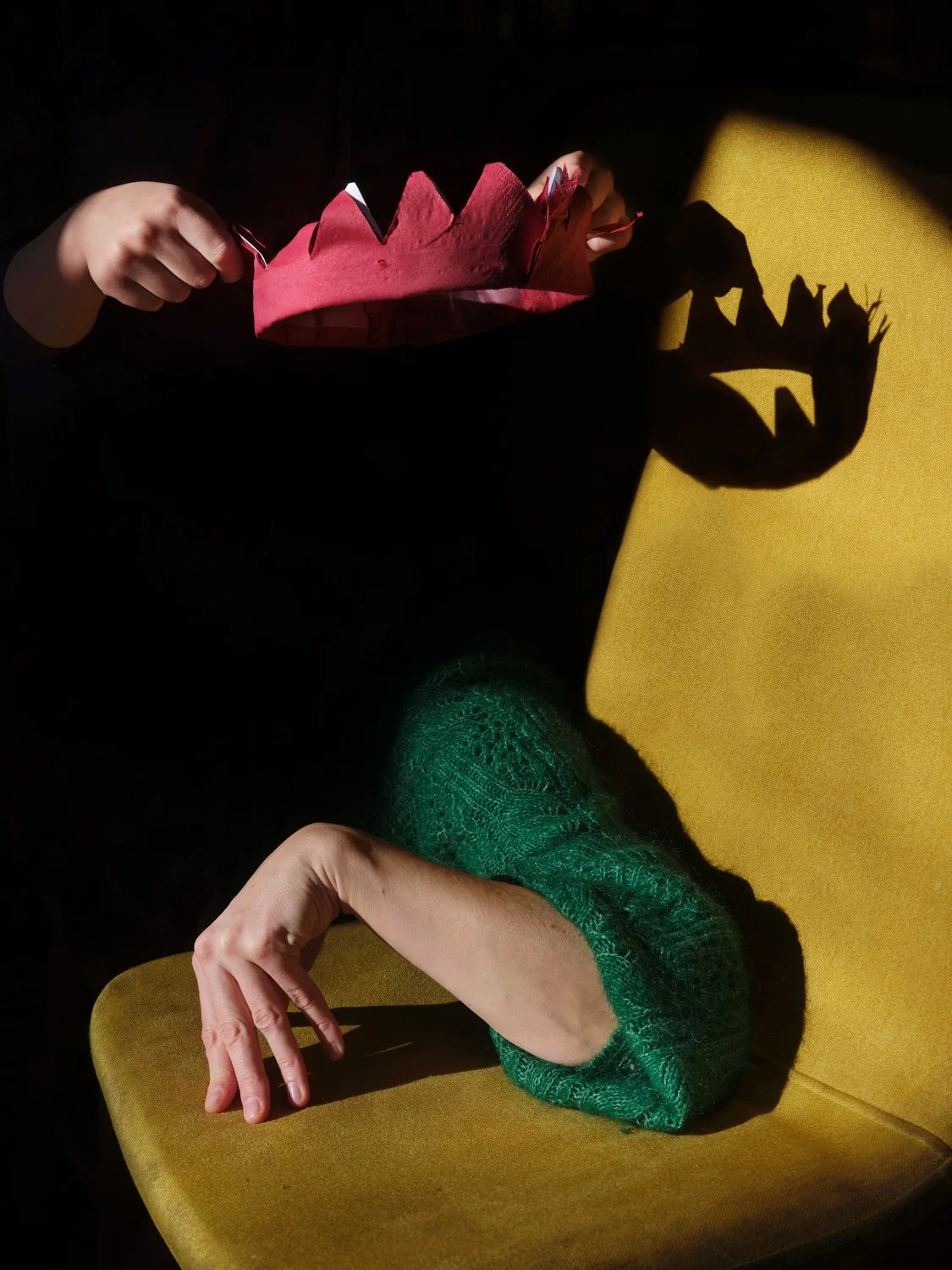
Most of the time my work starts with the light. The very first image I made for this project was of my son wearing a blue onesie , walking into the stream of light in our living room. It was our usual messy living room but the light turned it into something entirely different and magical. It sculpts the space, transforming it into a stage, obscuring the mundane domestic messes and making everything it touches look almost divine. It brings out colors and textures, and allows for shadow play.
“Choosing a style” wasn’t a conscious decision, and more like a lot of small choices over a period of time that developed into what one might call a style. I’ve never been interested in portraying plain reality; photography has always been an escape. I’m interested in creating this alternative world within my own life, and the use of light, shadow, and bold colors helps me achieve that. It takes me out of the everyday grind and lets me play and daydream a little, in the middle of my own house. I think this aesthetic plays well with what I am hoping to convey with the images: a psychological landscape made up of dreams, memories and feelings; an alternative way of being in the world.
Out of this body of work, which photograph is your favourite and why?
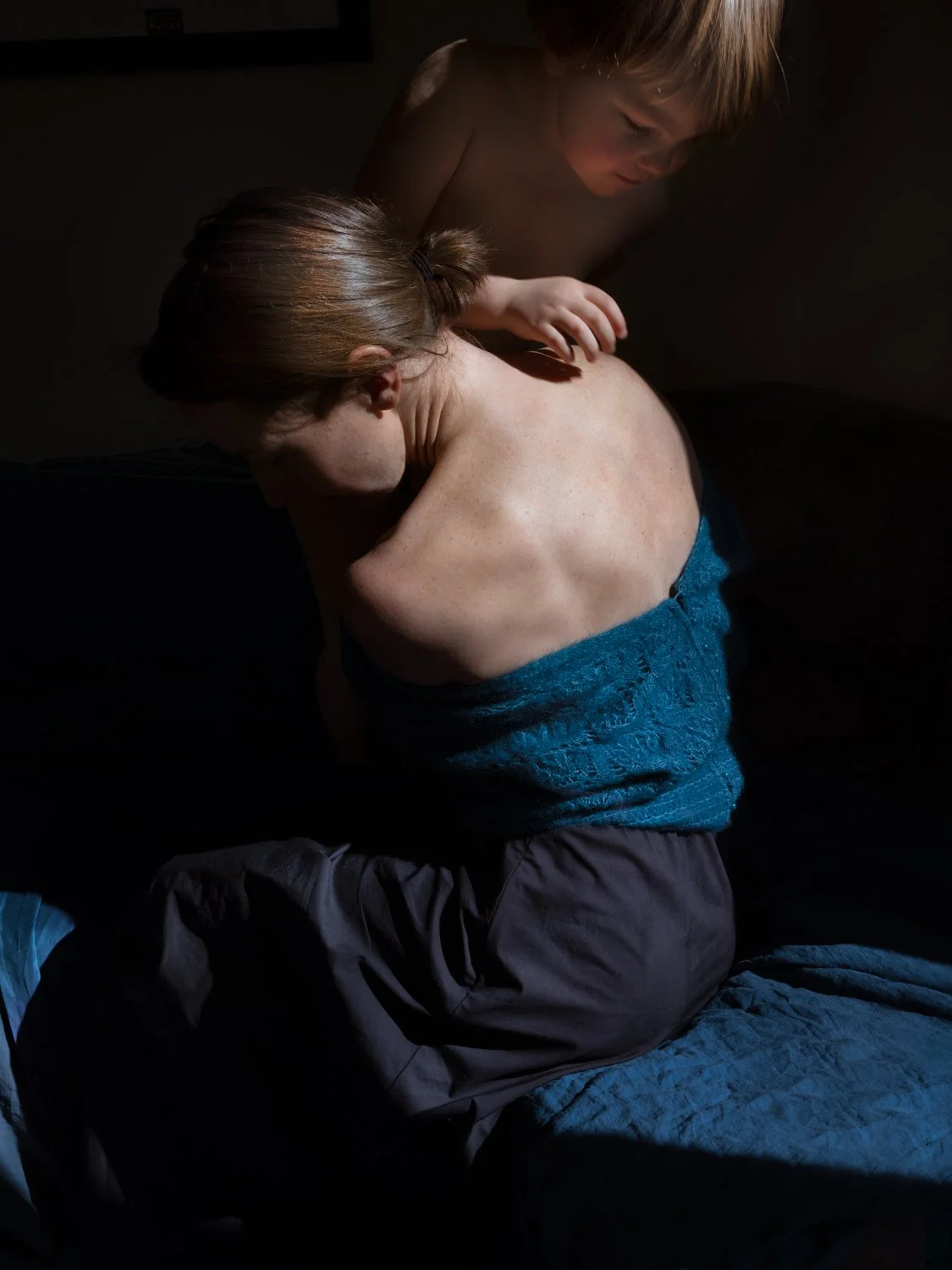
Probably the picture of me and my son in dappled light, titled “Shadows”. I can feel him cuddled up against me when I look at it, and it gives me joy and peace.
Who do you look to for inspiration?
Mostly literature and cinema. I’ve been thinking a lot about the films of Celine Sciamma lately, specifically Petite Maman. Parents and children can never fully understand each other – a young child’s games are not entirely accessible to an adult. Someone in their prime years can’t fully grasp what it’s like to not remember, to feel obsolete. Life is badly designed in that way. There is no bond stronger than this, and yet we are so far apart. I admire the quiet depth of Sciamma’s films, and her ability to portray rich psychological experiences with little dialogue.
Another influence is Rachel Yoder’s “Nightbitch”. I read the book a few years ago, when the toddler years were still fresh in my mind, and felt so seen. I loved the magical realism—how the story is truthful yet clearly fictional. It’s beautiful, funny and heartbreaking. I wanted to achieve something similar with photography.
My most recent inspiration is Sheila Heti’s “Pure Color”. I love how she talks about finding the right amount of distance between us and the people we love. I think it’s one of the questions I am trying to answer with my work.
If our readers would like to see more of your work, where should they look?
If you are in New England, my work is on view at Panopticon Gallery and MassArt x SoWa in Boston this month, and at the Vermont Center for Photography in Brattleboro. I try to update my website regularly (www.anastasiasierra.com), and also love doing studio visits!