
Behind the Curtain
A collection of lens based work that explores the transformative experience of using visual language to share unfiltered stories of struggle, love, loss and connection. Behind the Curtain encourages you to understand the stories behind the photographs and get to know them better through short descriptions accompanying the work.
Included photographers:
Angela Crosti, Annemarie Deckers, Ashleigh Higgins, Audrey Lane, Ava Margueritte, Bharat Kethana, Chloe Ronco, Clair Robins, Courtney DeRose, Elizabeth Calderone, Grady Thomas, Jennifer Georgescu, Judith Hornbogen, Julie Fowells, K. M. ARGYRIADIS, Kimberly Macdonald, Kristin Dimitrova, Lacra Grozavescu, Leanne Trivett S., Linda Plaisted, Lisa Murray, Maria Fynsk Norup, Marjolein Buts, Nat Persoglio, Oliver Raschka, Ryan Paul Waters, Sara Lawlor, Sonia POIROT
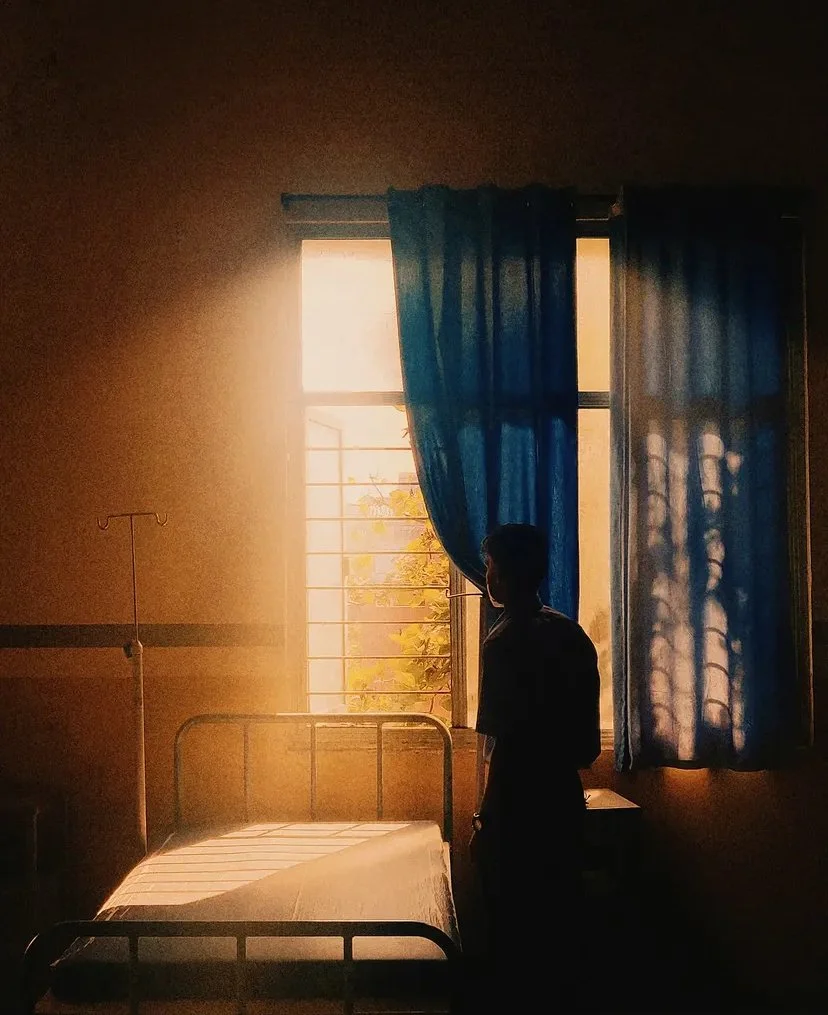
Bharat Kethana - This series began from a deeply personal place. I often found myself thinking about how a person can continue moving through the world normally while internally feeling distant from their own reflection. While creating these images, I kept imagining versions of myself within them. Sometimes I saw myself in the blurred silhouettes, sometimes in the empty spaces, and sometimes in the light that enters softly but never fully stays. The photographs became less about documenting a subject and more about tracing states of existence that feel difficult to explain out loud. I was drawn to bodies dissolving into branches, shadows, and surrounding textures because invisible experiences rarely arrive as dramatic moments. They settle slowly into the way we think, remember, isolate, and perceive ourselves over time. I wanted the images to feel suspended between presence and disappearance, as though identity itself was quietly merging with memory and silence. The work intentionally resists clarity. Faces remain obscured, spaces feel incomplete, and light reveals only fragments because some emotions are never fully understood, even by the people carrying them. More than anything, this series is an attempt to visualize the quiet weight people learn to coexist with privately, and the strange beauty of continuing to exist while parts of yourself feel unreachable.
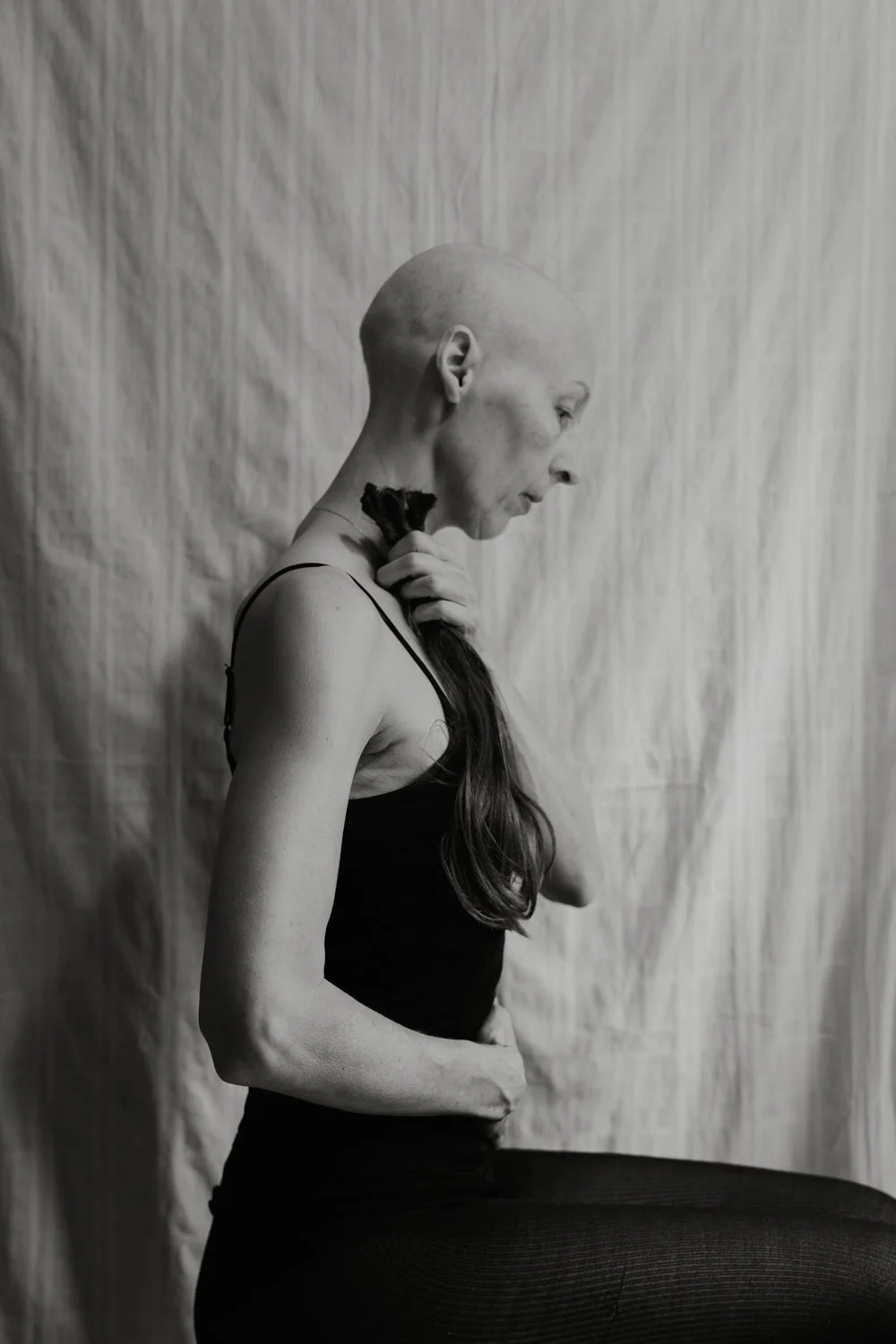
Maria Fynsk Norup - In Denmark, 1 in 8 women are diagnosed with breast cancer each year. On June 3rd 2024 I became a part of this statistic when I received the news that the small lump I had discovered was in fact cancerous. As a self-portrait artist, I chose to process it by photographing my way through this experience, including the feeling of losing my sense of self and my femininity. My hope is that I by sharing this experiencecan help bring awareness and conversation, and contribute to break what still feels like a stigma.
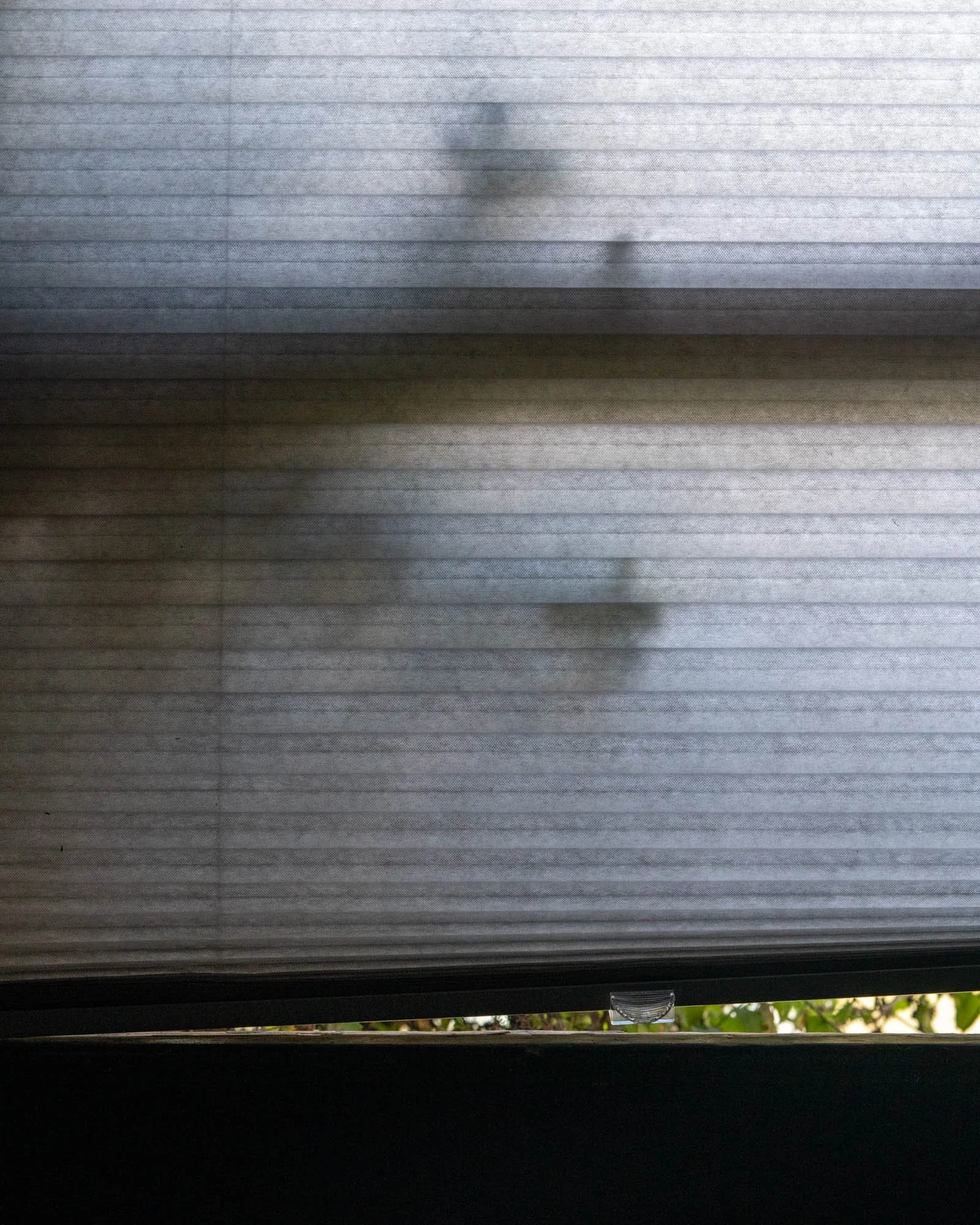
Julie Fowells - The distinction between grief and depression might seem insignificant to some, but the chasm between the two is big enough for guilt and confusion to bounce around in the turbulence, gaining velocity until it’s hard to tell the difference. I floated in this ambiguous state of indifference for months after mom died, unable to leave the safety of home, but unable to care for it either. Left to the elements, anything marking a human presence — my presence — started to disintegrate, and I started to recognize my own vulnerability to decay, seemingly inevitable once neglect cedes to the forces of nature.
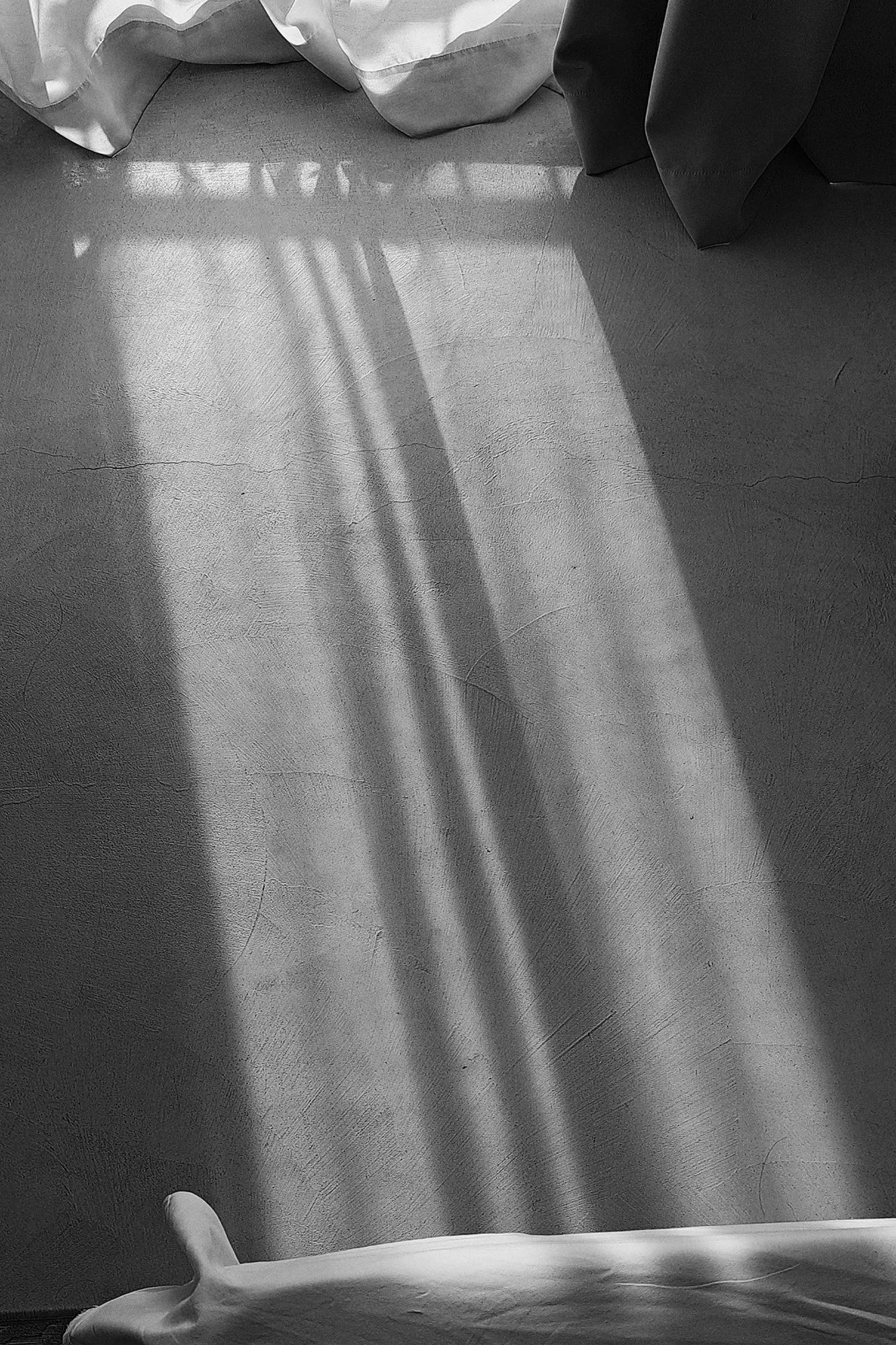
Kristin Dimitrova - The images convey visually the themes of the hidden, masked, and concealed. The work explores the concept of the mental worlds we each carry and having the courage to open the curtain that separates the external and the internal. Both as a means of self-discovery and showing up more authentically to others. To explore with intrigue that which is concealed, to take a peak inside and see the bigger picture. Sometimes the curtain is transparent, and some light can shine through, yet it is still there.
Marjolein Buts - These photographs were made during a period where I felt completely trapped within myself. I was struggling with daily life, withdrawing into myself, and trying to understand a new diagnosis that explained parts of how my mind worked. During that time, sitting under the shower became the only place that gave me a sense of relief, even if my restless mind never fully stopped. I felt so stuck that I began photographing this reality. Making these images became a way to hold onto and understand an experience that otherwise felt impossible to put into words
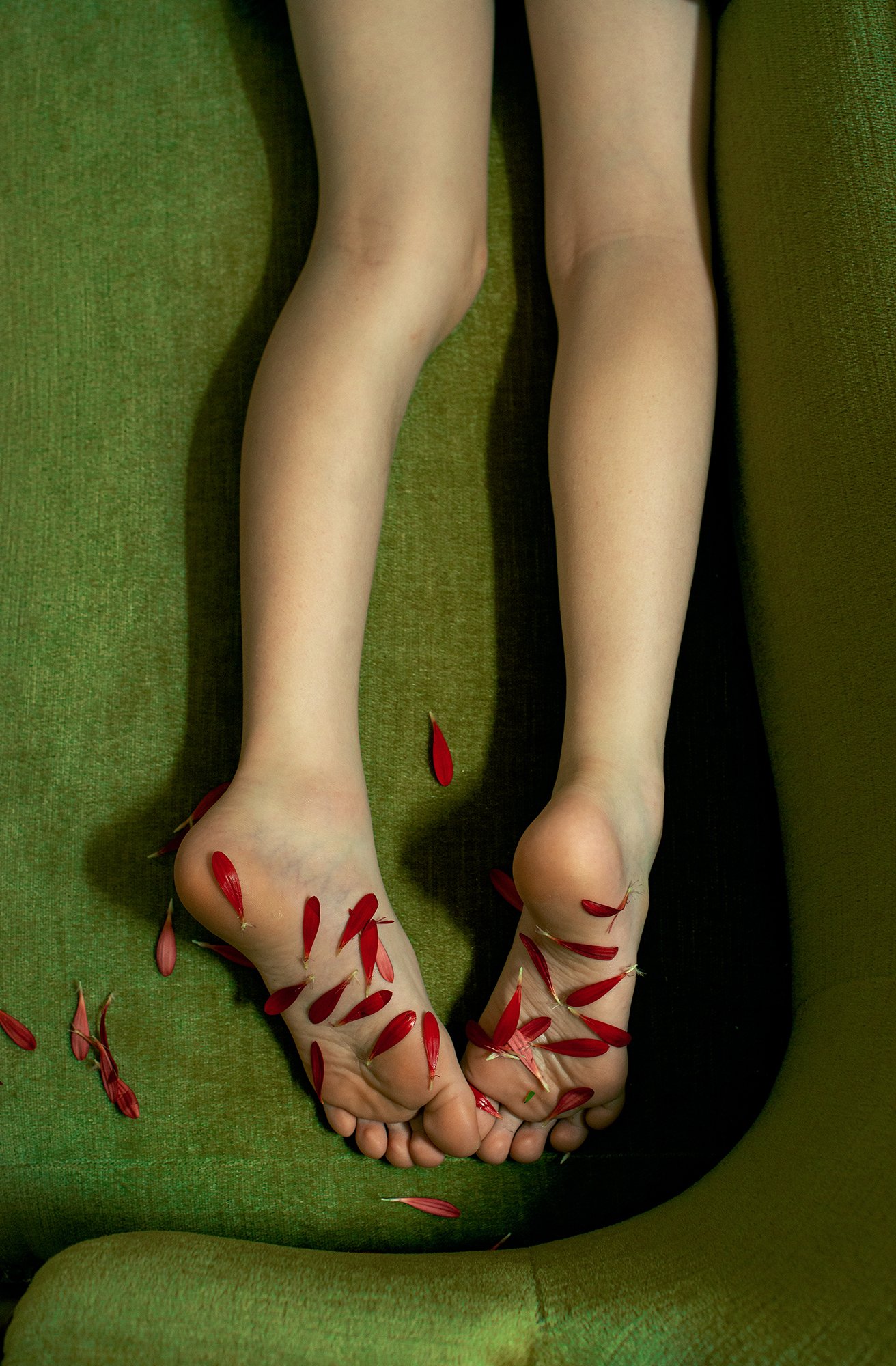
Jennifer Georgescu - Speaking with the Dead After tragically losing my brother, every change of season became a sore reminder that time continued on despite my feelings. I found this infuriating as well as comforting. My grief began to morph into urgency as my awareness of the ticking clock became heightened. Everyday occurrences are now worthy of utmost attention and my observations are littered with “messages” that seem to be from a perfect place beyond my understanding. Evidence of life has become more apparent in the midst of my longing and I capture these fleeting moments as though they were glimmers to the other side.
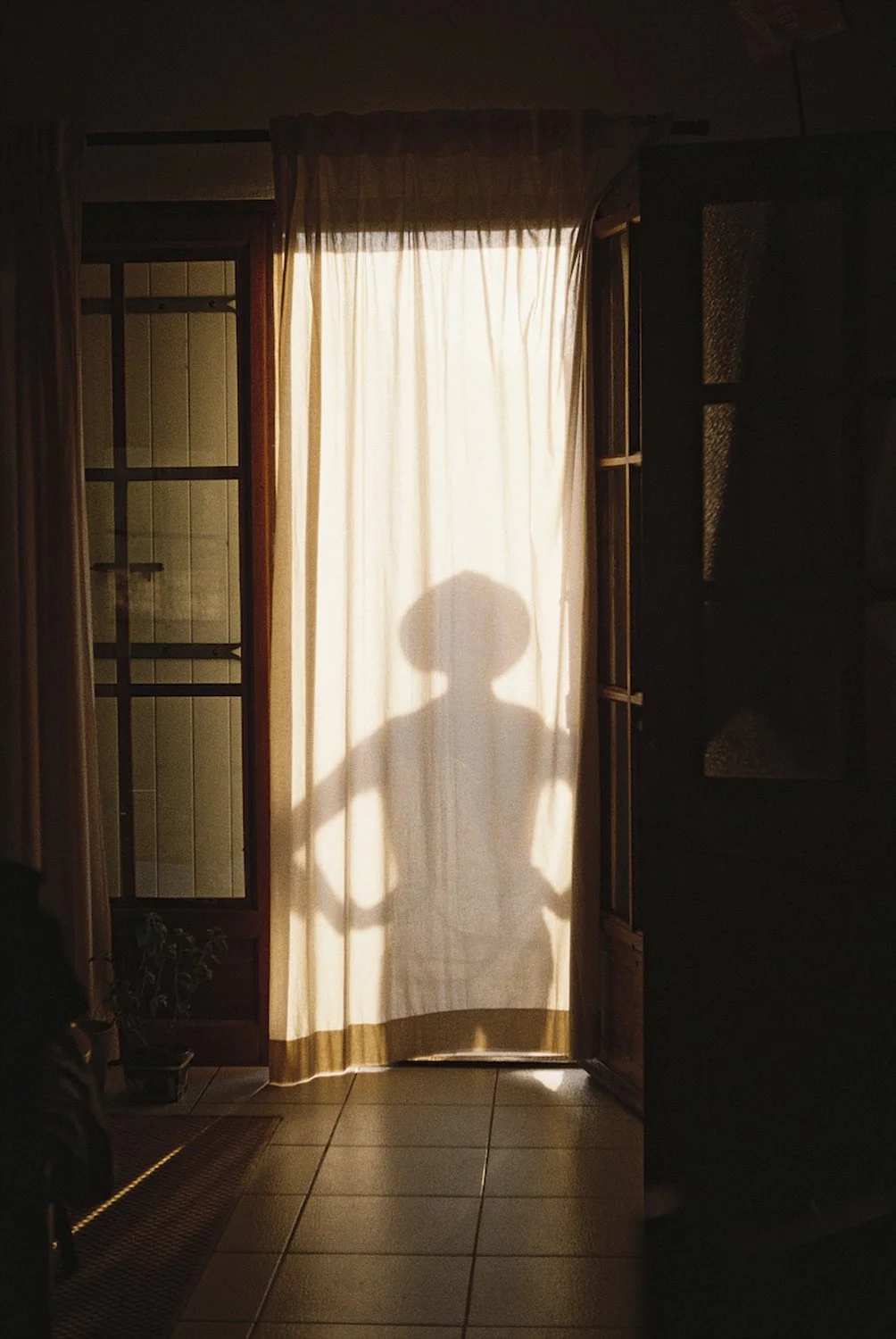
Judith Hornbogen - The pigeon foot is still laying in the same spot next to the church. I spoke to him on the phone, he’s currently residing in a psychiatric sanatorium, as he calls it. From anxiety to trauma. Sometimes I see Hadrien walking the streets of Dijon, like he said he would. Hadrien has been in the clinic for one year. He has a passion for photography and painting. His photos depict scenes of humanity without humans. Hadrien is haggard and always walks briskly.
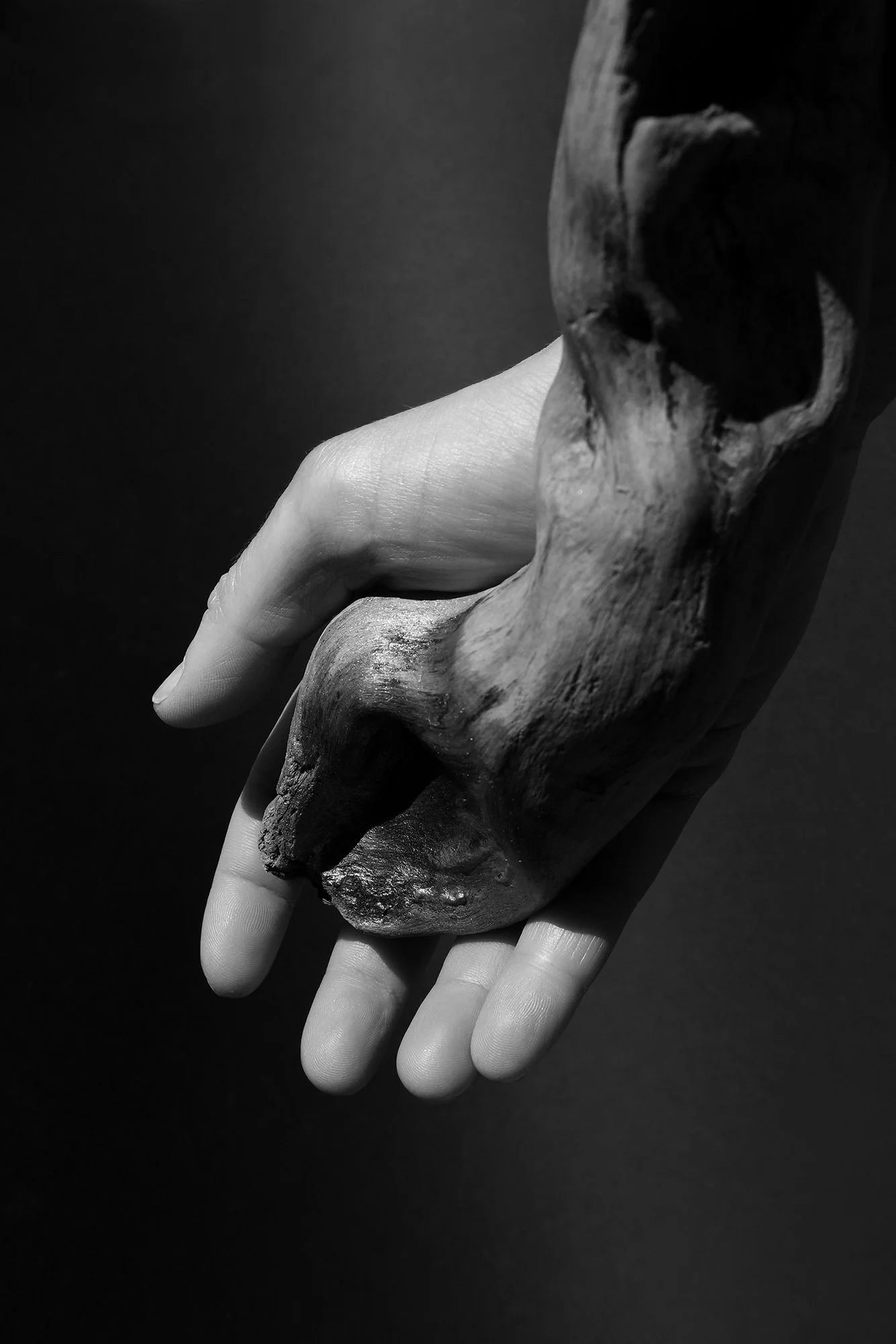
Sonia Poirot - Driven by a desire to rediscover connection, relationship and meaning in a context where these seemed to be fading, and by a lower abdominal surgery that shifted my bodily perception of space and environment, the work “Marcher à pas de ventre” emerges from these intertwined conditions. This experience opened a new attentiveness to internal sensations, the body’s boundaries, and the way it inhabits the world. Within this shift in perception, the relationship to ground and gravity became more pronounced, as if the body were rediscovering a more immediate contact with the earth.
Ashleigh Higgins - Unseen explores my lived experience with endometriosis and the emotional reality of recovering from surgery. While the operation marked a physical turning point, this work focuses on what happened afterwards in my mind and emotions. I document how fatigue, pain memory, and uncertainty continued to shape my mental wellbeing, even when the surgery was over. It reflects the non-linear nature of recovery, where I often felt caught between progress and setback. Through this project, I try to give form to feelings that are usually invisible, expressing vulnerability, exhaustion, and resilience as they exist in my everyday life for me now.
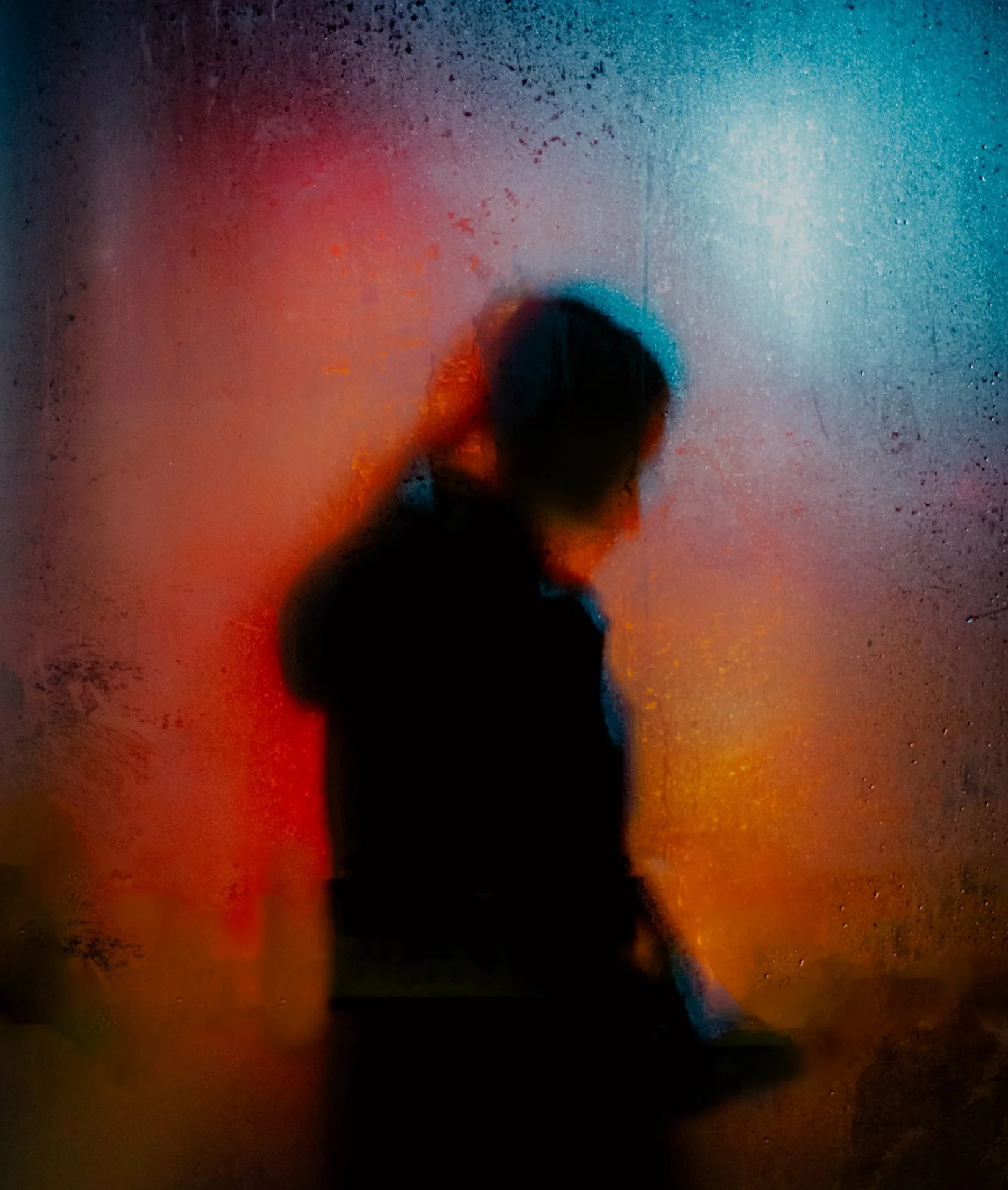
Nat Persoglio - Manchester: bus windows, shelters, rain, glass and night light. I’m interested in how mental strain sits inside our ordinary movement through life, in the way we get from place to place while part of us feels held somewhere else. The images don’t describe a crisis directly. They stay with waiting, passing, being half-seen, and the feeling of looking out from behind a surface. For me, public transport has often carried memory as much as distance.
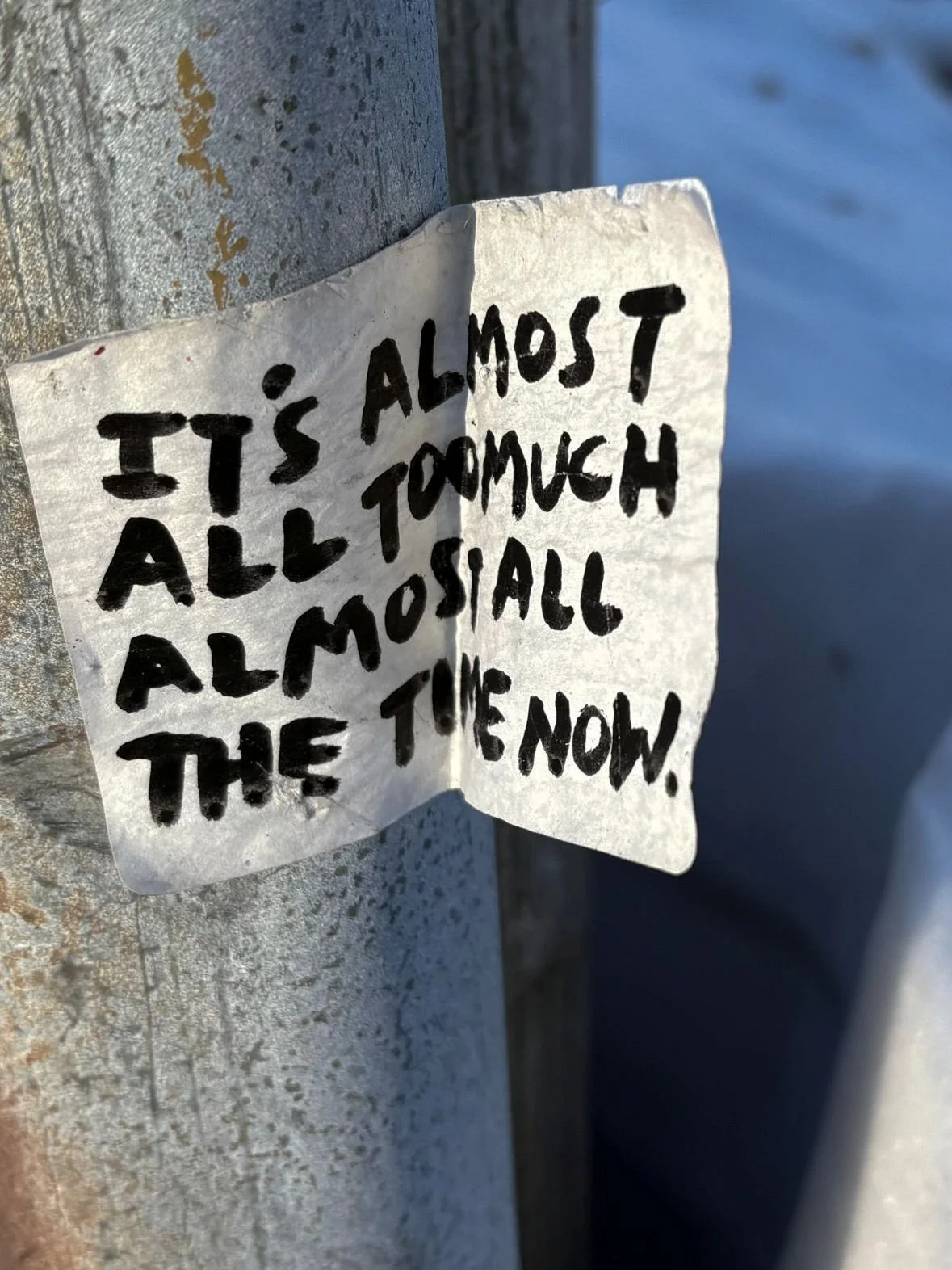
Kimberly Macdonald - postpartum comes in many forms. mine came with guilt so heavy, palpable. years of infertility - unviable, unviable, unviable. finally, I had everything I wanted, and I grieved who I once was. this work lives in that dichotomy. in becoming someone new, in incredible joy. growth can feel like loss.
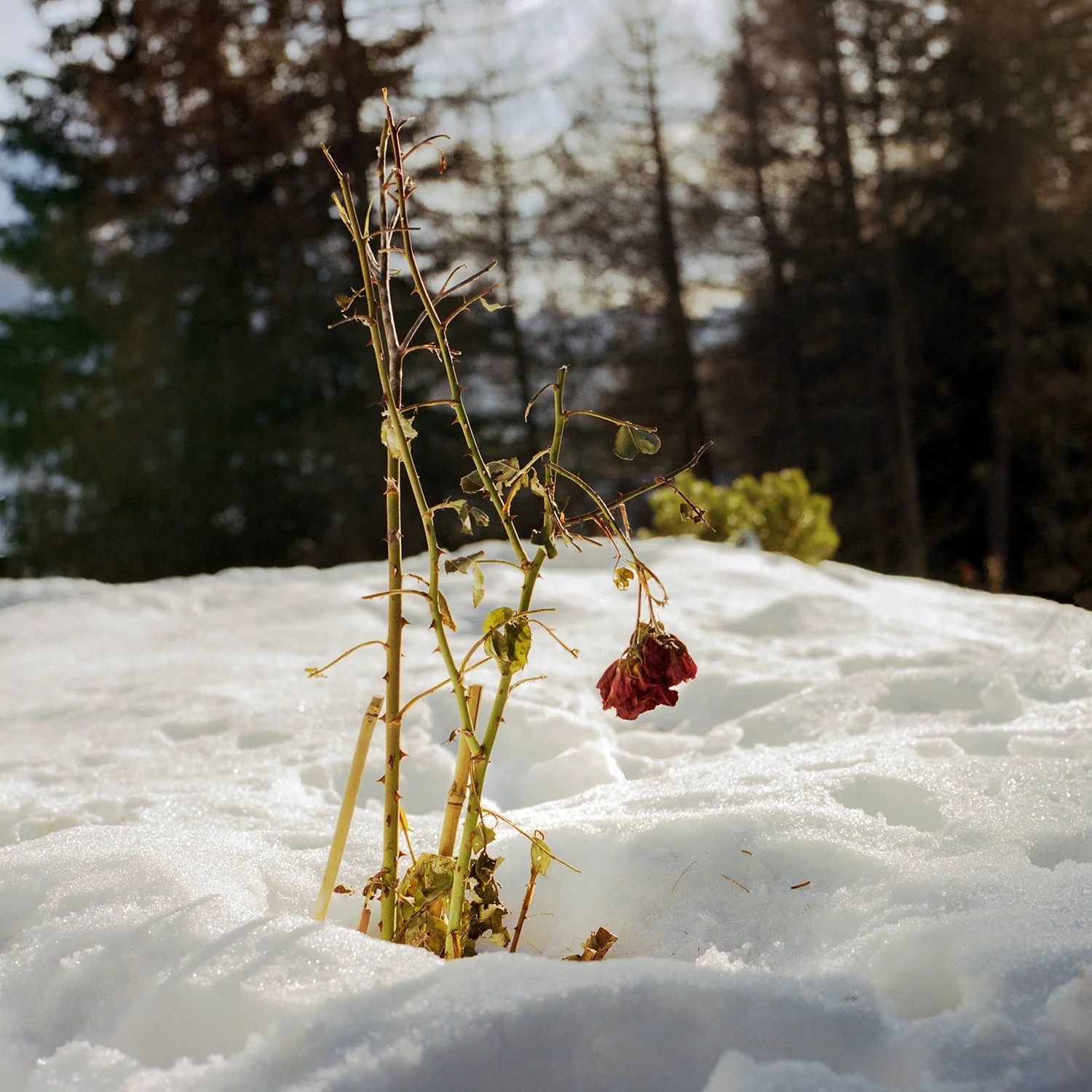
Angela Crosti - Neither Here Nor There unfolds as a diaristic journey through uncertainty, suspended between instability, sorrow, and fragile hope. Using my camera as both witness and companion, I gather fragments of a world marked by distance and dislocation. Through observing my children and the spaces we share, I find echoes of my own inner landscape shaped by fragility and change. Their quiet presence and attentive way of moving through a fractured world offer moments of clarity, stillness, and grounding within an unsettled time.
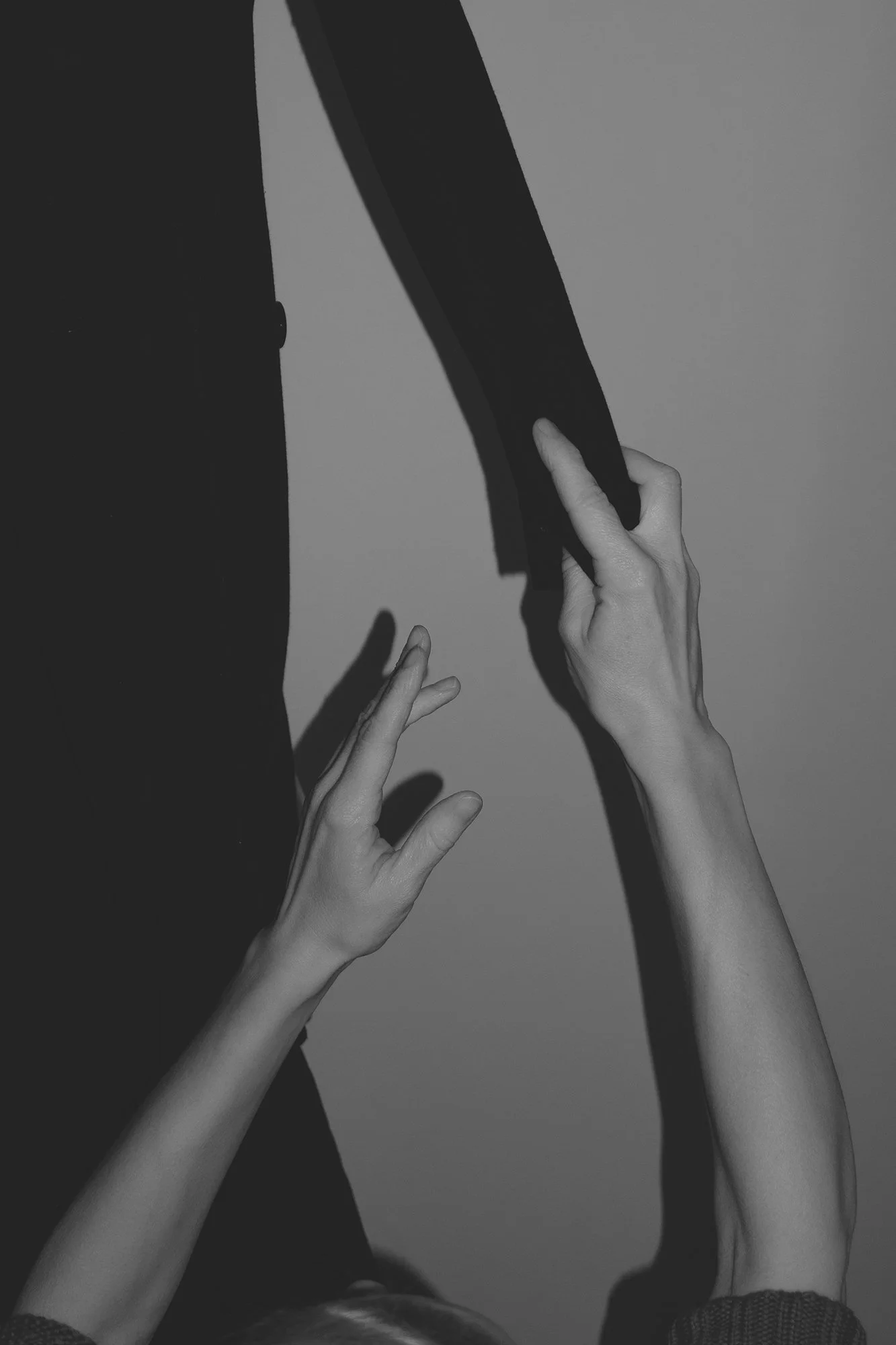
Annemarie Deckers - My project explores the feelings of alienation I’ve carried for a long time, which have intensified since moving abroad. It reflects both the reality of being the perpetual outsider and the growing awareness of becoming a stranger to oneself. I work mostly within the domestic space, a microcosm that—because of its gendered nature—holds many ambivalences and tensions and deepens the sense of claustrophobia, loss, and disconnection. In this way, the home becomes a stage for addressing experiences that are deeply personal yet also shared and profoundly human.
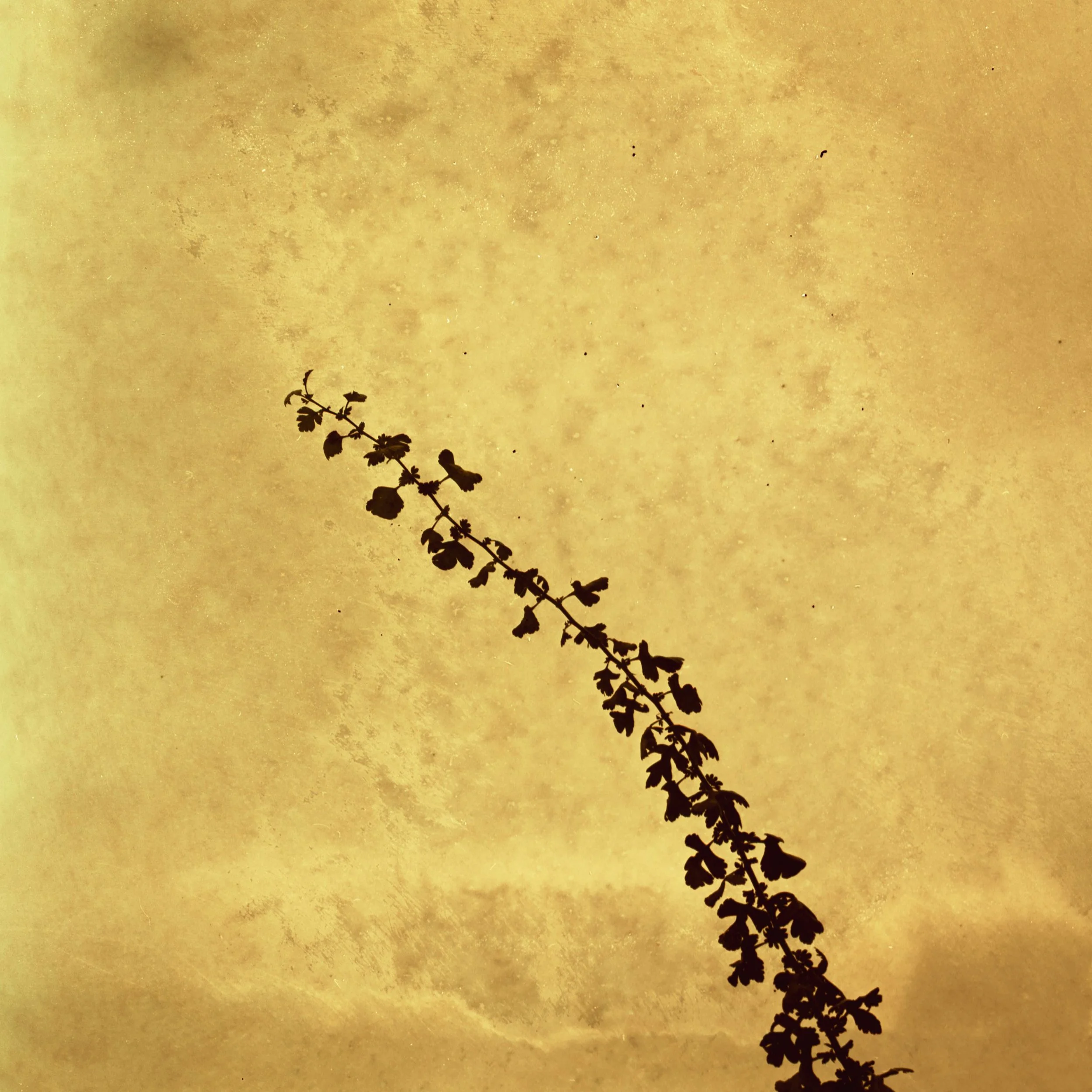
Sara Lawlor - This body of work explores bipolar disorder, grief, and the loss of identity through experimental film photography and destructive darkroom processes. Immersing myself in nature and the darkroom, I used image-making as a way to navigate emotional instability and unseen struggle. Chemicals, distortion, and deterioration became part of the work itself, mirroring the effects of medication, memory, and mental illness. The resulting images exist between fragility and resilience, documenting an attempt to find meaning and beauty within chaos.
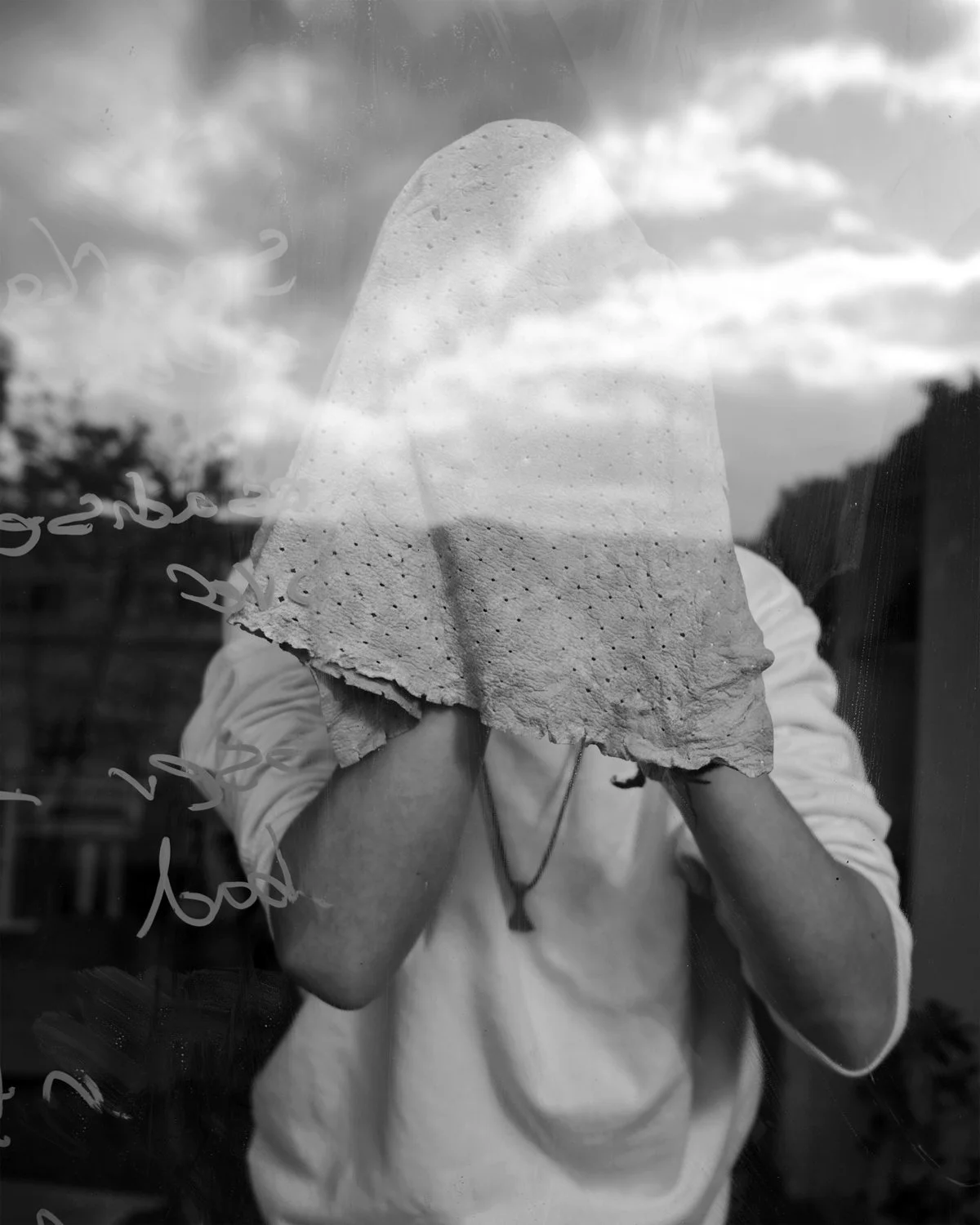
Oliver Raschka - I use photography as a tool of visual sociology to investigate how deeply the family—with its complex web of history, rituals, and (intergenerational) trauma—shapes my mental health and experience of the world. Within this framework, I explore the family narrative, examining identity and transformation within everyday life. My images capture the raw tension between belonging and separation, connection and alienation, support and inhibition. By decoding these daily dynamics, I look beneath the surface of psychological symptoms to uncover their root causes, while visually searching for pathways toward safety, connection, and emotional strength.
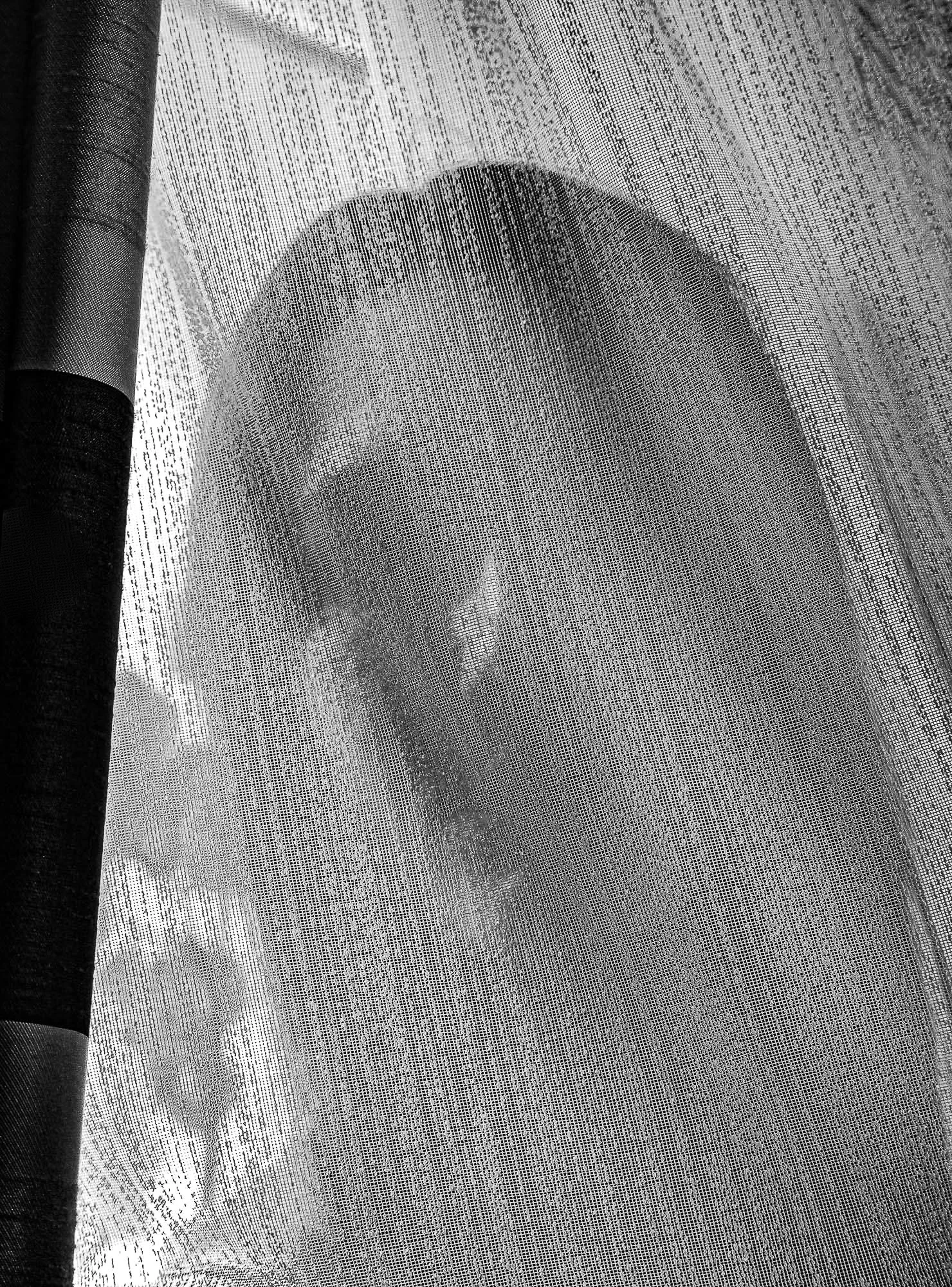
Lacra Grozavescu - The Place That Forgets You explores the domestic interior as a space where comfort and pressure quietly coexist. The project treats the house as a psychological organism — one that observes, records, and shapes identity. Familiar objects become estranged: glass, textiles, and utensils lose their function and gain symbolic weight. Repetition and dislocation reveal the cyclical nature of domestic roles, inscribed onto the body as tension between resistance and conformity. Textiles from the family home introduce a tactile archive of memory, suggesting that the past is not only represented but embedded. The work reflects on how intimate spaces hold both control and possibility.
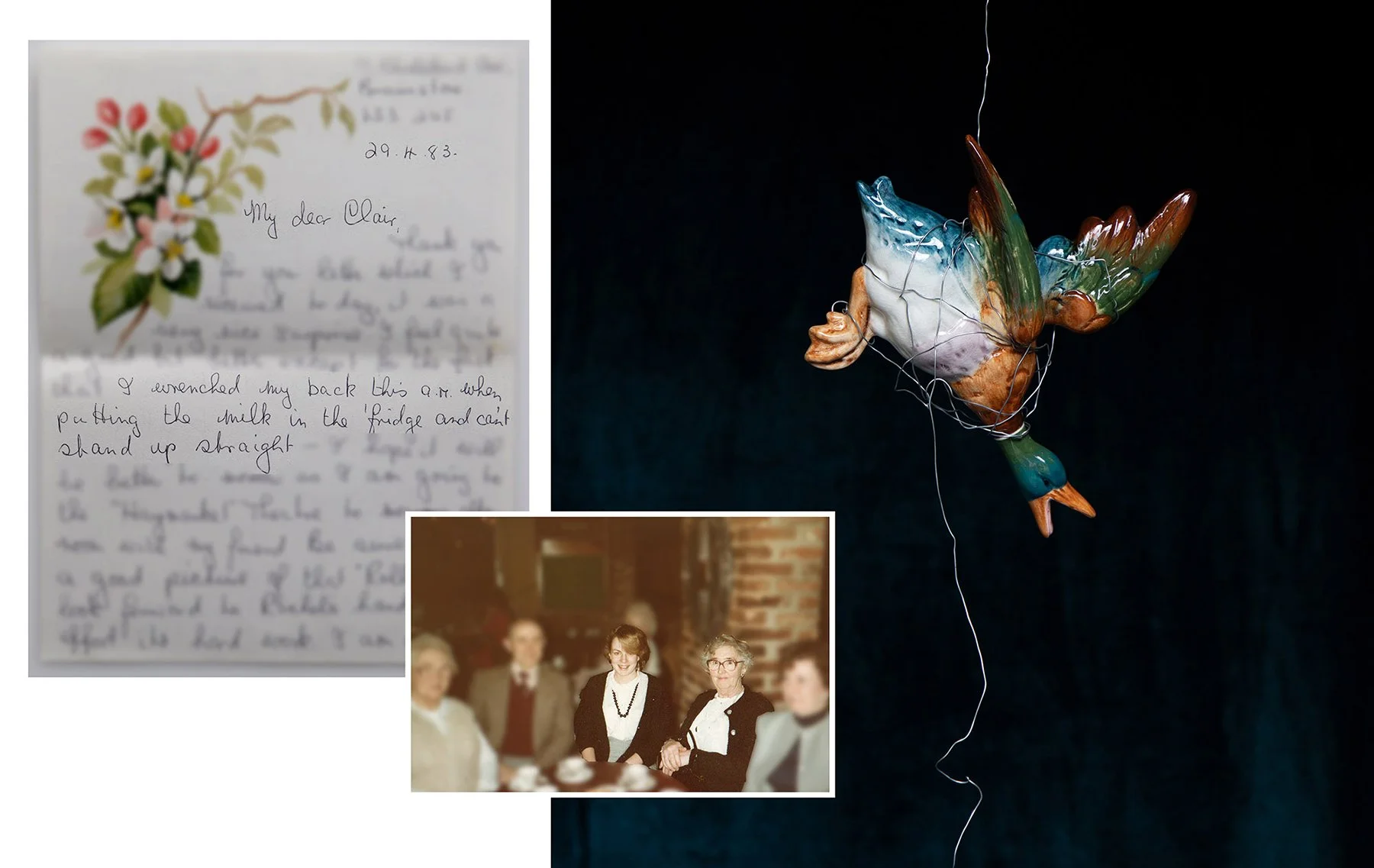
Clair Robins - “The Words That She Wrote” revisits the close bond Clair shared with her Grandma, Merle, through letters, photographs, and treasured belongings. Living in a world before digital communication, Merle valued language, expression, and the intimacy of carefully written words. These personal compositions reconnect Clair with memories of family, identity, and belonging, while reflecting on how communication has changed across generations. In an age of instant messages and emojis, the work questions whether future generations will experience the emotional depth of written correspondence. It also highlights the importance of writing for wellbeing, showing how words can preserve connection, encourage reflection, and provide comfort through memory and storytelling. Write words, a letter, and make a connection.
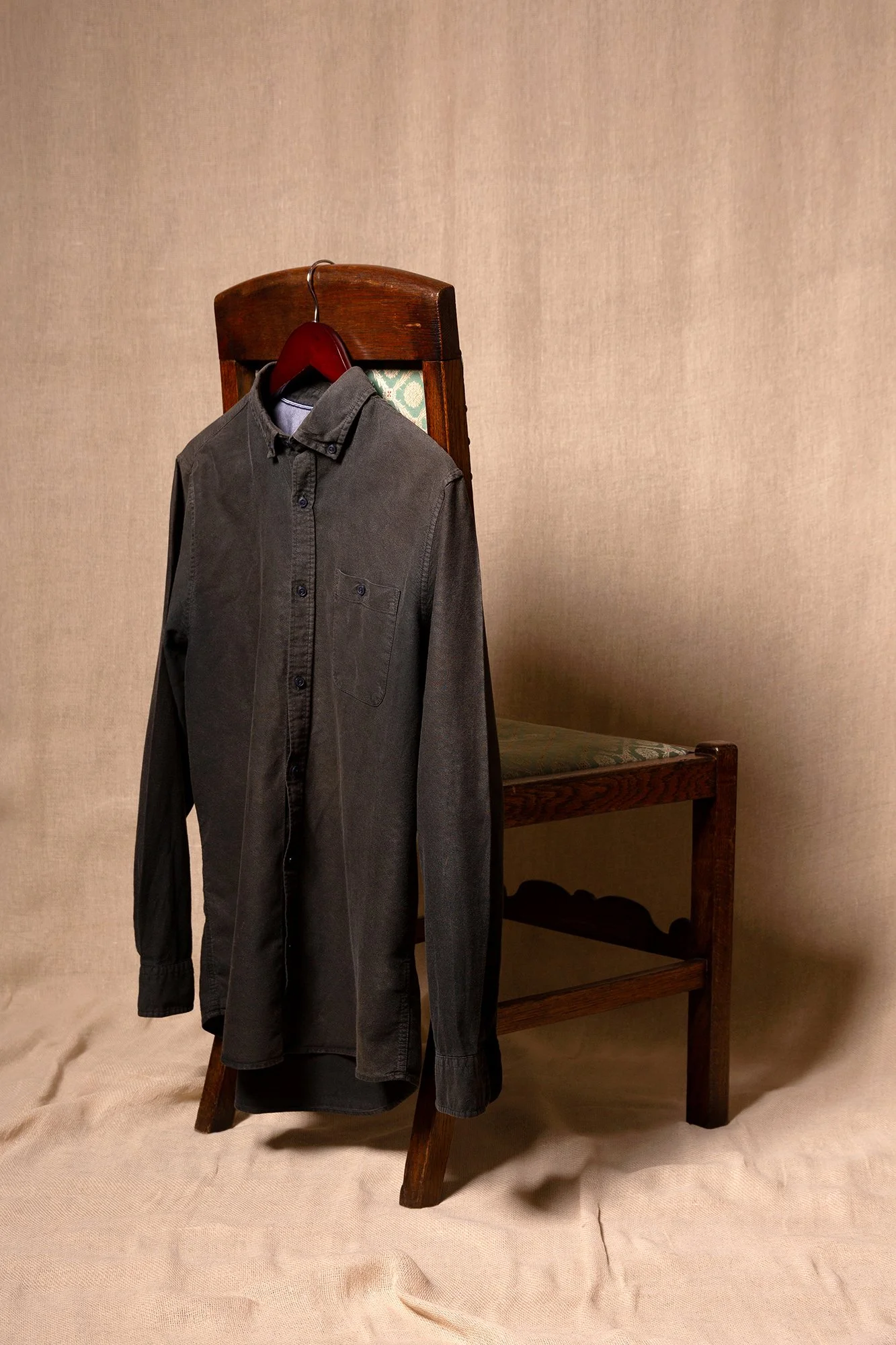
Ryan Paul Waters - Portrait of an Artist is an auto-ethnographic exploration into the complexities of the human experience relating to mental health, anxiety and depression. Engaging with the romanticised cliché of “the tortured artist,” Portrait of an Artist questions the assumption that mental illness is a prerequisite for artistic greatness. Rather than perpetuating the myth of suffering as essential to creativity, Portrait of an Artist quietly challenges it, suggesting that art and wellbeing need not stand in opposition.
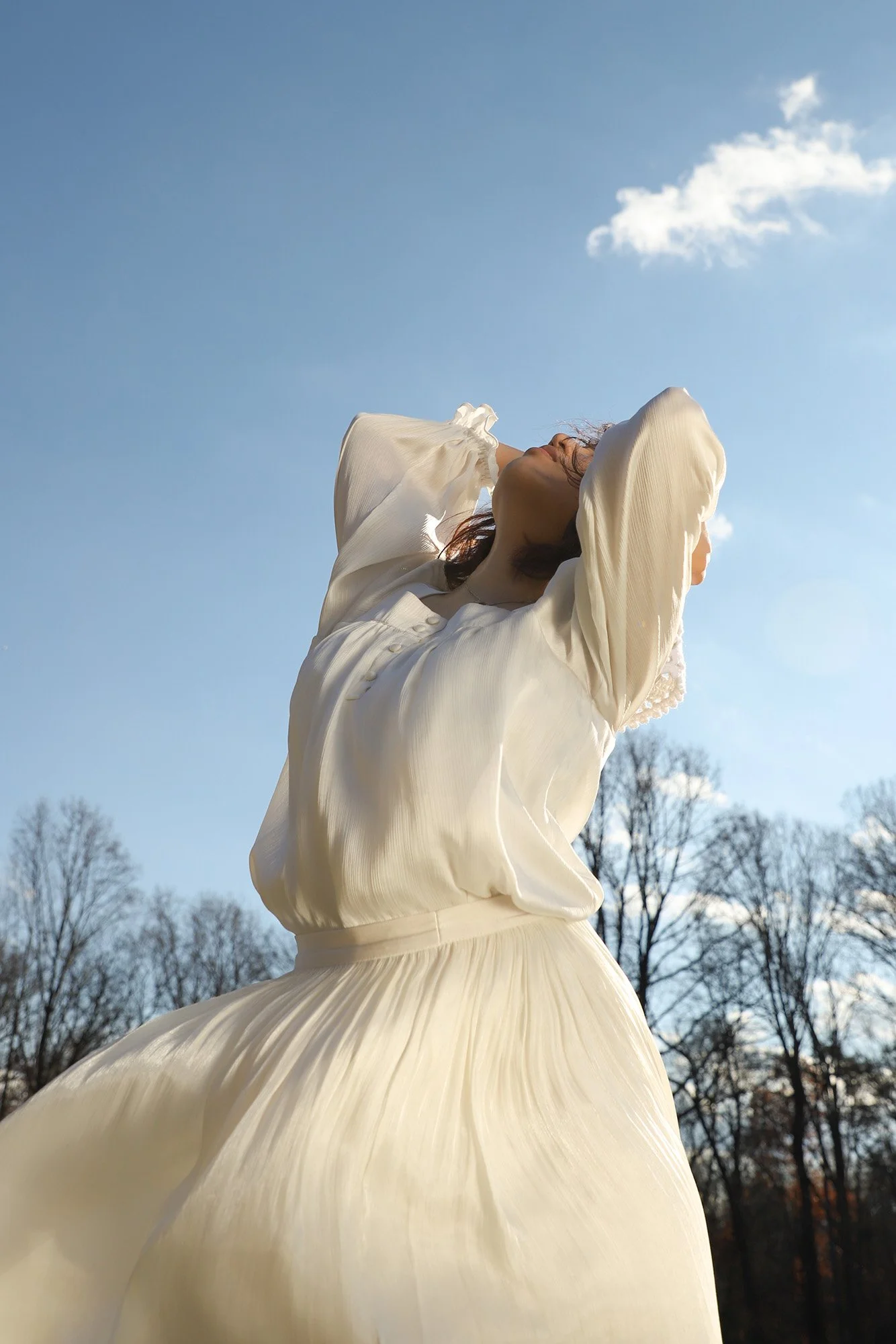
Courtney DeRose - This series reflects the emotional limbo that followed graduation. Moving back to my hometown and being surrounded by remnants of the past, forced me to confront feelings of failure, stagnation, and uncertainty. I was exploring the tension between comfort with defeat, and nostalgia with regression. The work serves as a way to process transition and accept the discomfort of waiting for what comes next.
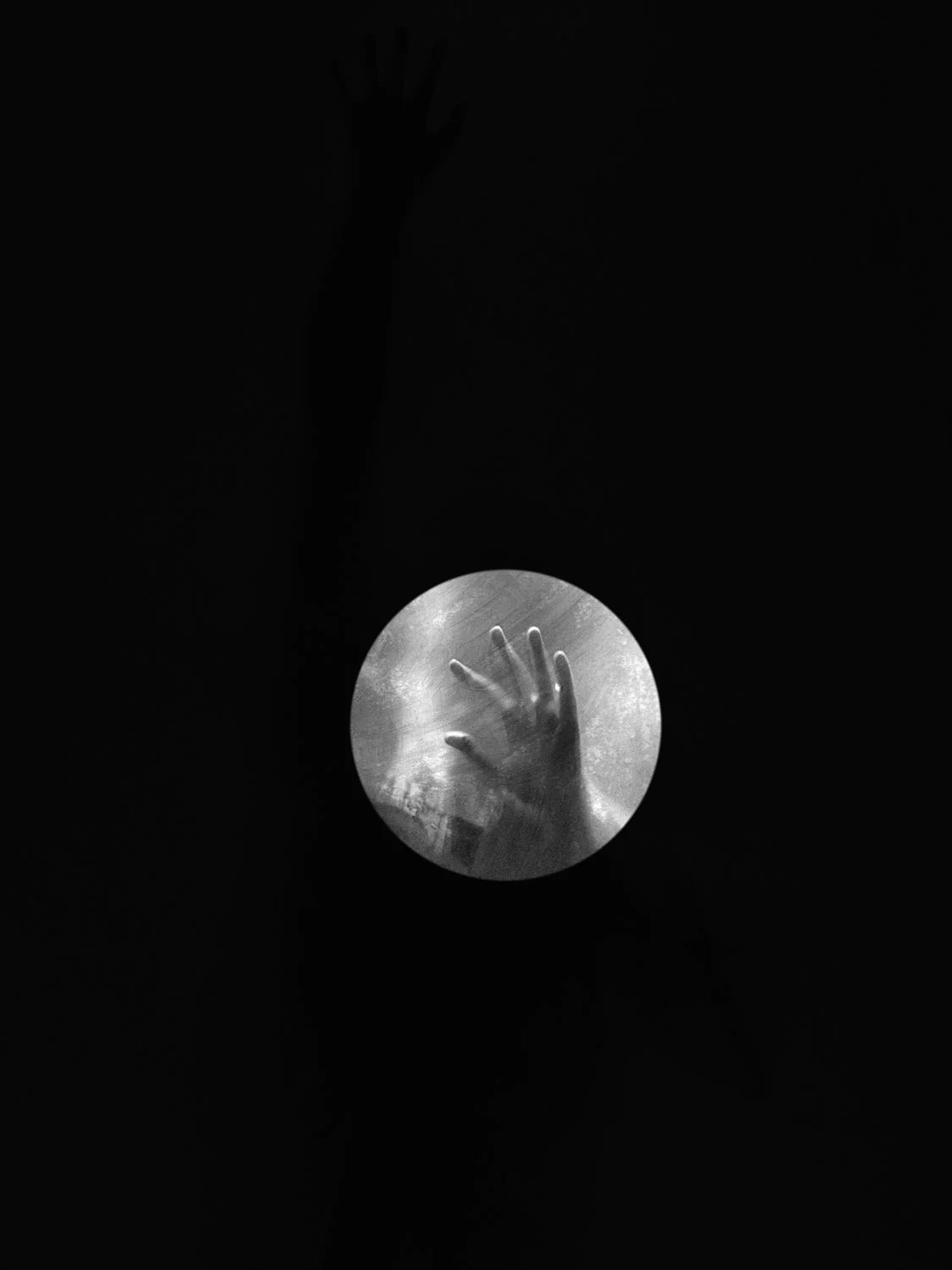
Leanne Trivett S. - “Navigating in Traffic” is a self-portrait series born from necessity- a need to survive and to make sense of the wreckage and wonder that life delivers without warning. These images are not just moments; they are emotional checkpoints, captured in the chaos, stitched together from pain, revelation, and motion. Life has hit hard - sometimes like a full-speed collision, sometimes like a flashing yellow light begging me to decide: brake or go. There have been wrecks I barely crawled from, crossroads that nearly paralyzed me, and rare, open roads that offered grace. Each portrait is a snapshot of that inner weather - a moment of stillness in the storm, or the storm itself. The images are both a pause and a confrontation - an emotional checkpoint where I meet the version of myself shaped by that stretch of road. Through these portraits, I unravel trauma, resilience, fear, and hope. I don't step into the frame as someone healed, but as someone becoming - scarred, in motion, and determined to keep going. Life's traffic. My traffic. All of this traffic changes who I am. I keep going. What surfaces is my resilience. A blur of grief, growth, resistance, and return. These images are how I stay alive inside it. All images I created with my cameras using blur, multiple exposure, and layering in photoshop.
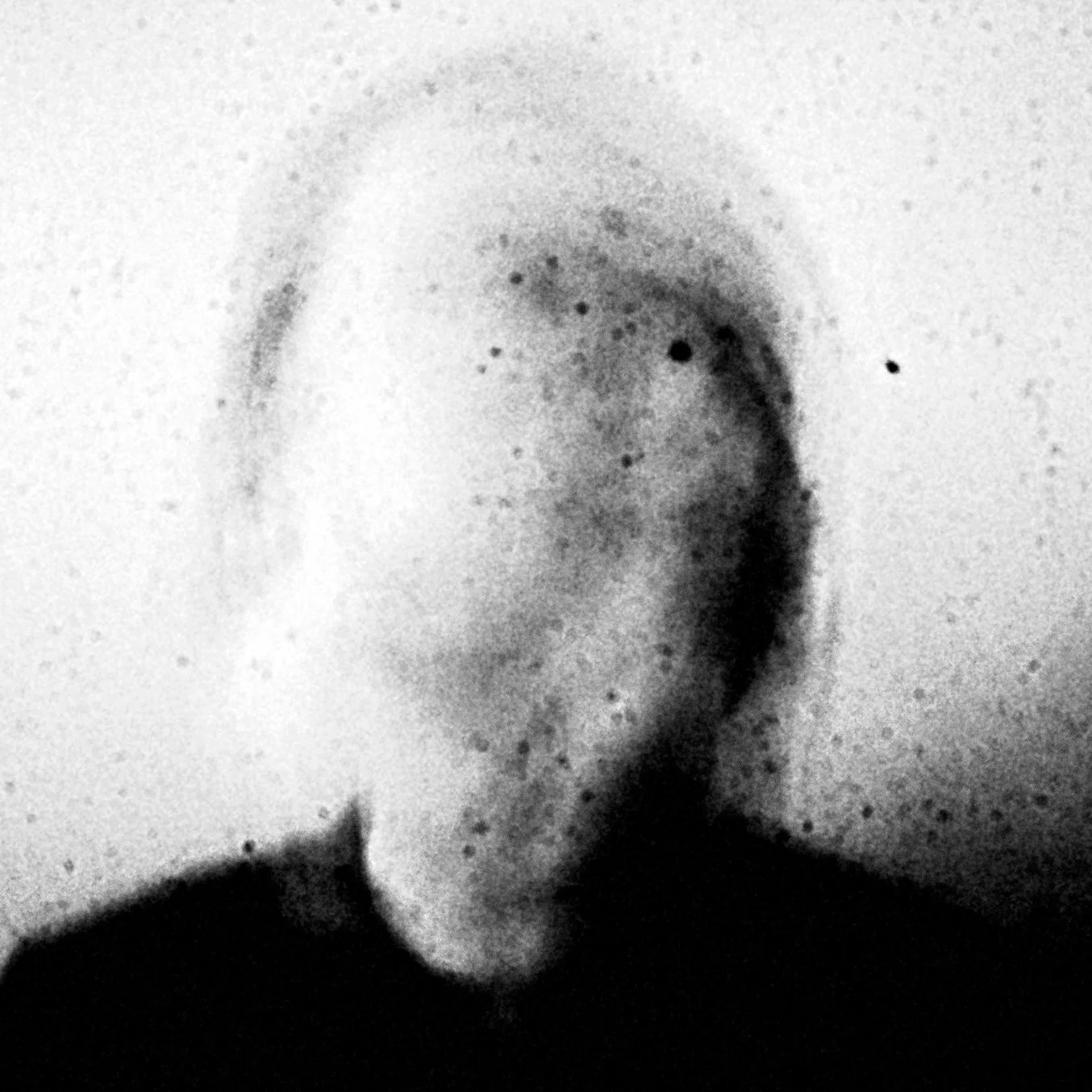
K. M. ARGYRIADIS - Quarantine time was a time of lost identity. Αnd we reintroduced ourselves to the others without our job uniforms or our social characteristics which are a huge part of what makes us, us. I began to photograph my video calls as I craved to photograph and couldn’t from the inside of my flat. I wanted to express that loss of identity and how we all somehow are the same.
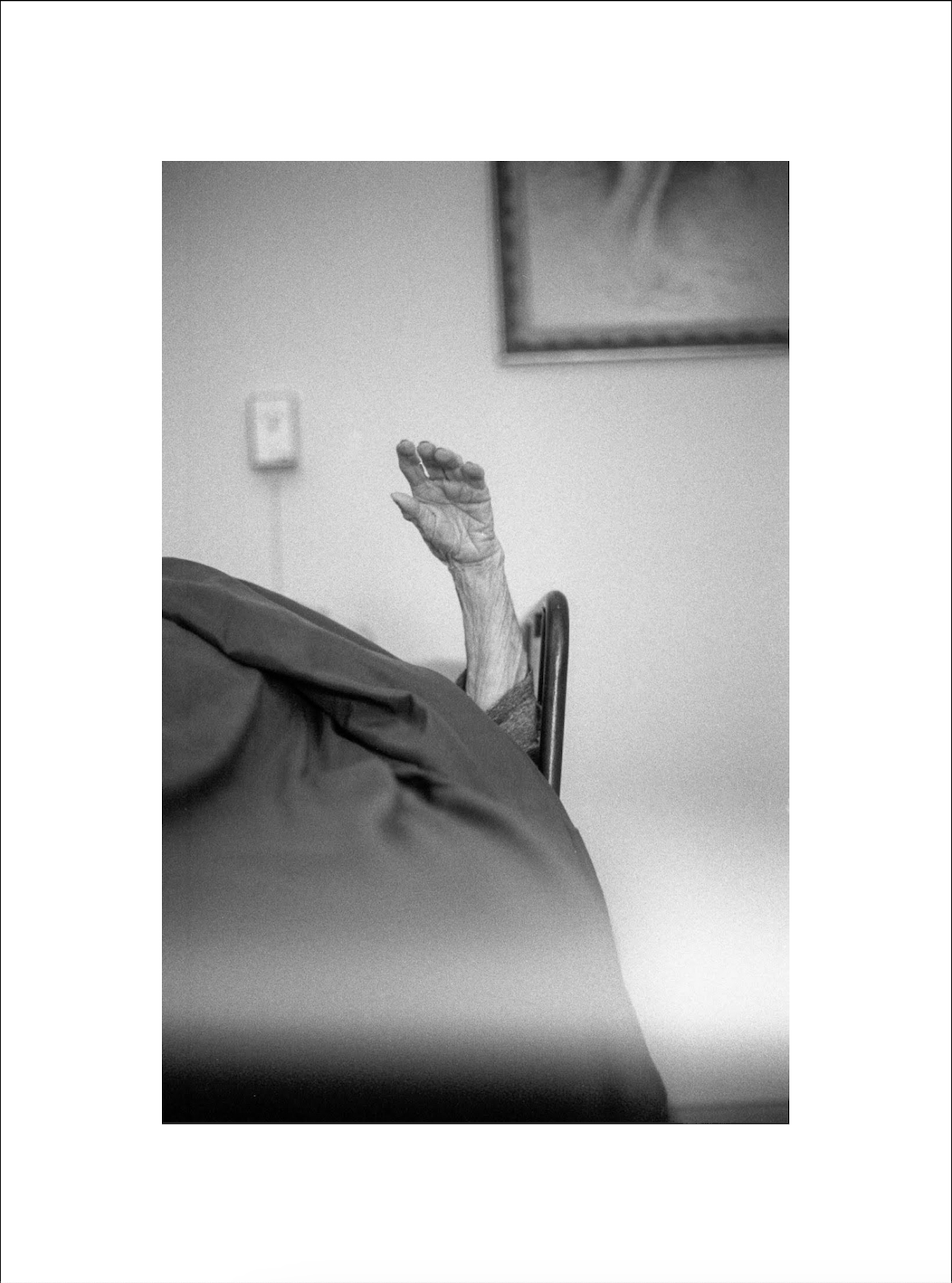
Grady Thomas - These photographs were made as I worked to support my maternal grandparents during the final weeks of their lives. After my grandmother broke her hip and had to leave the assisted living facility where they lived together, my grandfather’s stoic exterior crumbled and revealed a man overwhelmed with despair. My grandmother’s dementia was so advanced that she showed no awareness when he died in the bed next to hers. They were married for sixty-five years and died one month and one week apart.
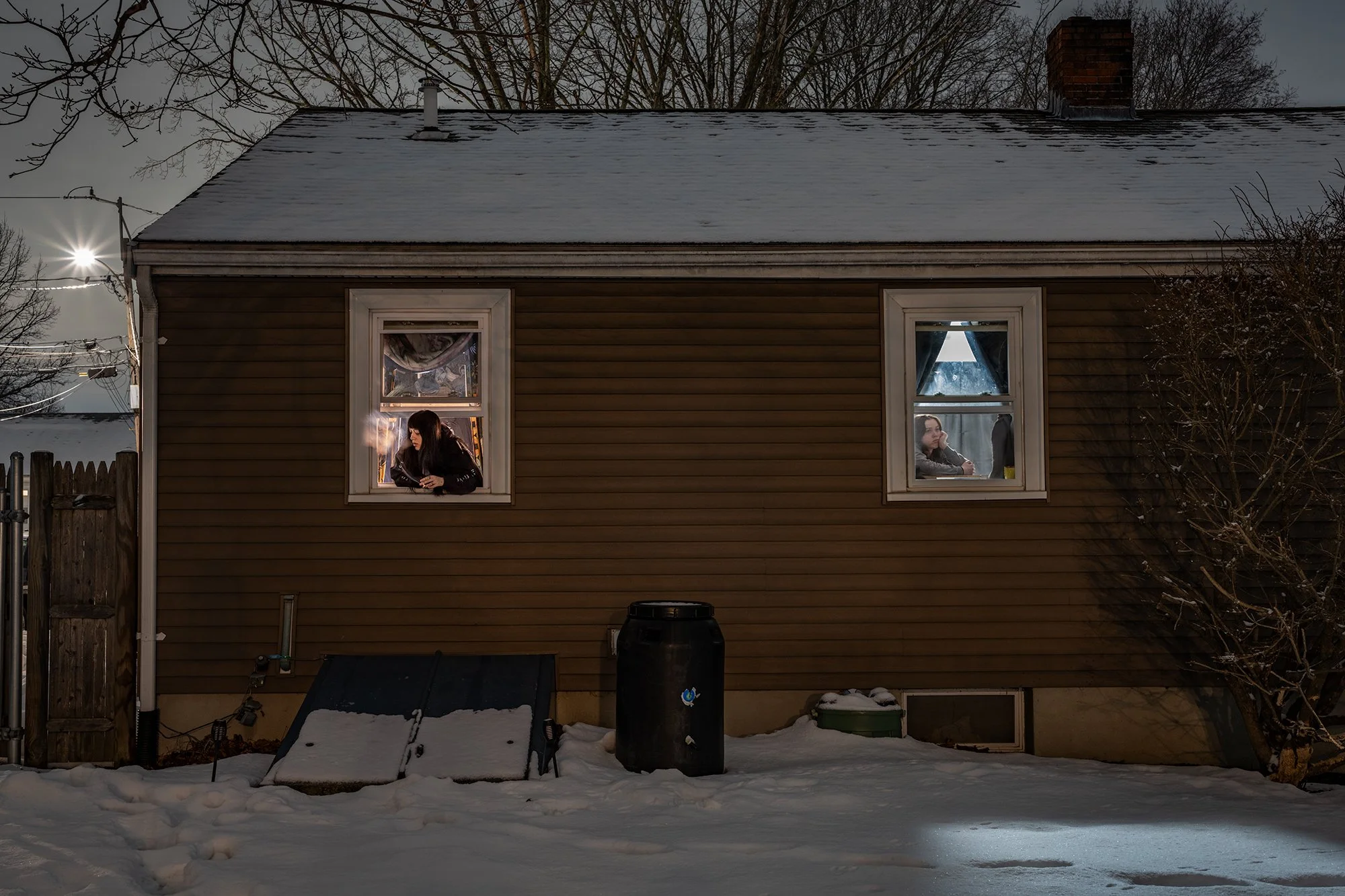
Chloe Ronco - These images are from Pinfeathers, a project documenting the women in my family through my perspective as the eldest daughter. My mother and sisters live with different bipolar disorders, and our lives have been shaped by abuse, addiction, mental illness, and generational trauma. Made over three years during multiple suicide attempts by my sisters, the photographs reflect what it felt like to witness their pain, care for them, and try to hold my family together. Through photography, I process these experiences and share an intimate perspective shaped by survival, love, and mental illness.
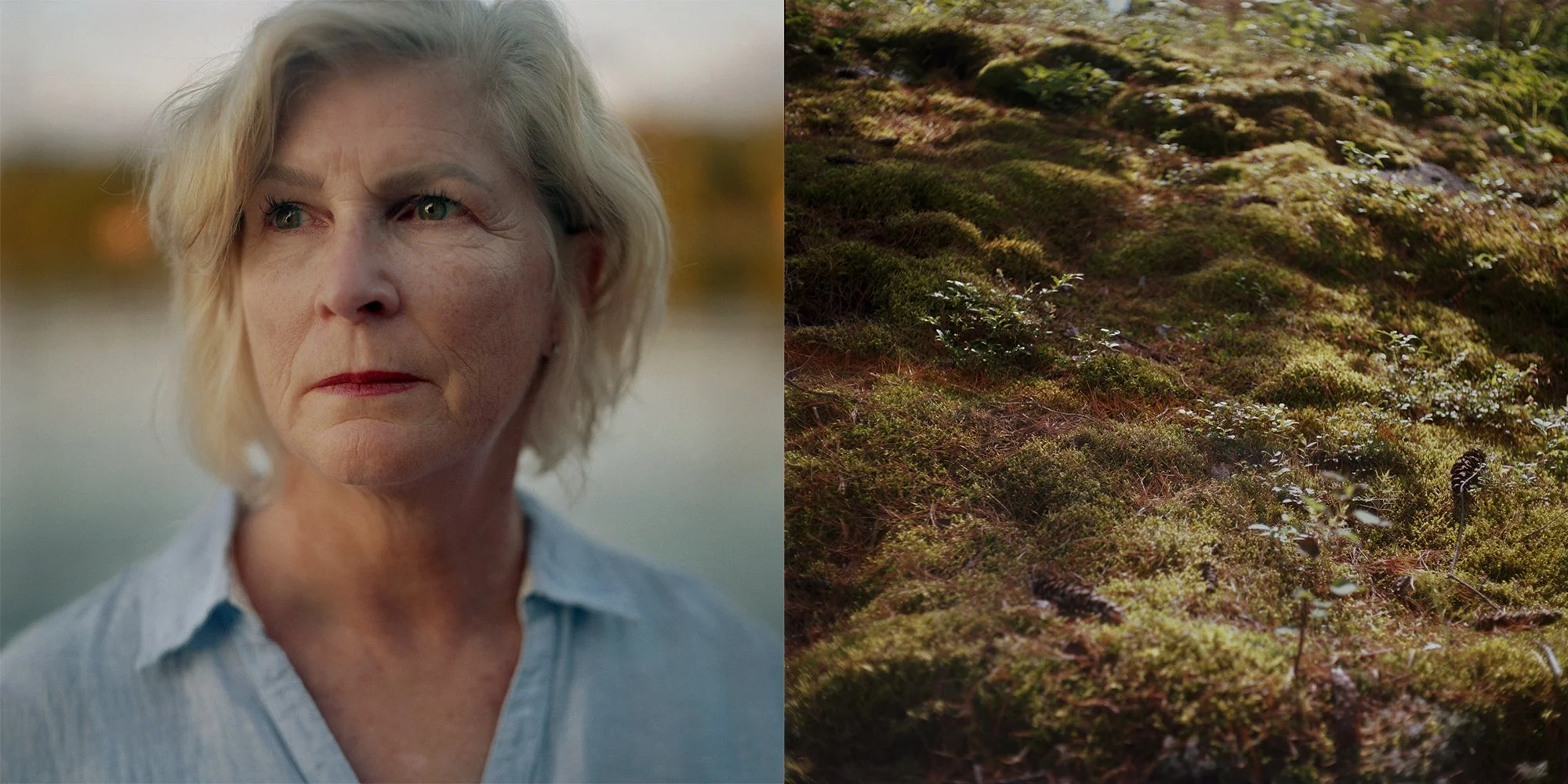
Ava Margueritte - 'Landfall' expresses the nuance of binaries, how mental health is not static. Having lived with invisible disabilities since I was young, I have learned that often my needs do not align with societal expectations. People have their own natural rhythms, and sometimes societal structures are rigid and unyielding, superseding personal needs. Bringing attention to conversations surrounding mental health by illustrating its continuous, cyclical presence and challenging conventional narratives. My images represent the fluidity of nature contrasted by the rigidity of society to represent the balance of self. Through sharing my story I shift a solitude experience into one of connection.
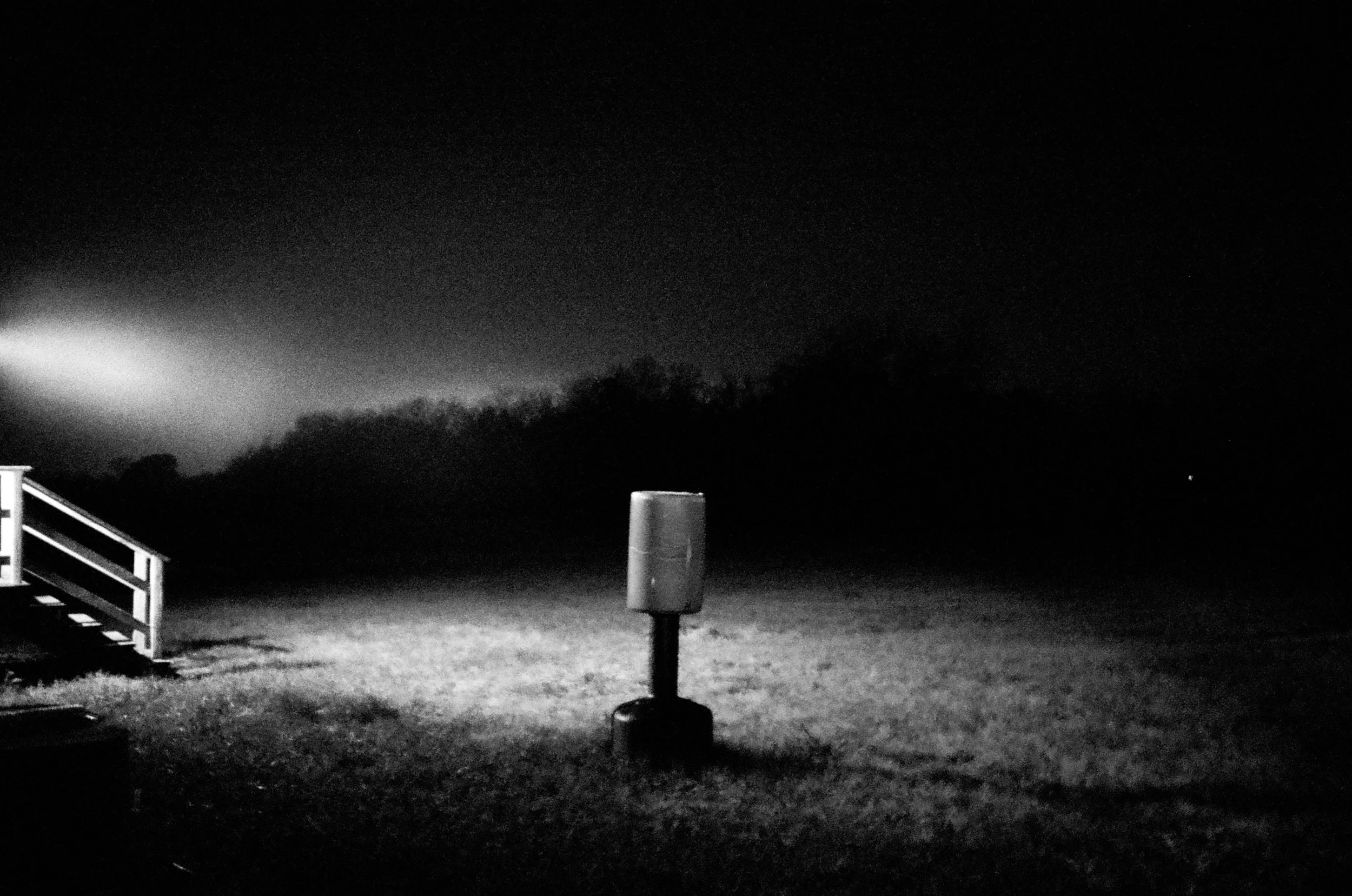
Audrey Lane - Told through 35mm photographs and first-person narration, "A Town Called Needville" traces the photographers four-month inpatient stay at an all-women’s mental health facility in Needville, Texas. These photos offer a rare, unfiltered window into the daily rhythms, absurdities, and quiet tragedies of institutional life, and the nonlinear process of healing from trauma. What begins as an intimate reckoning gradually unfolds into a collective portrait of resilience and mutual care.
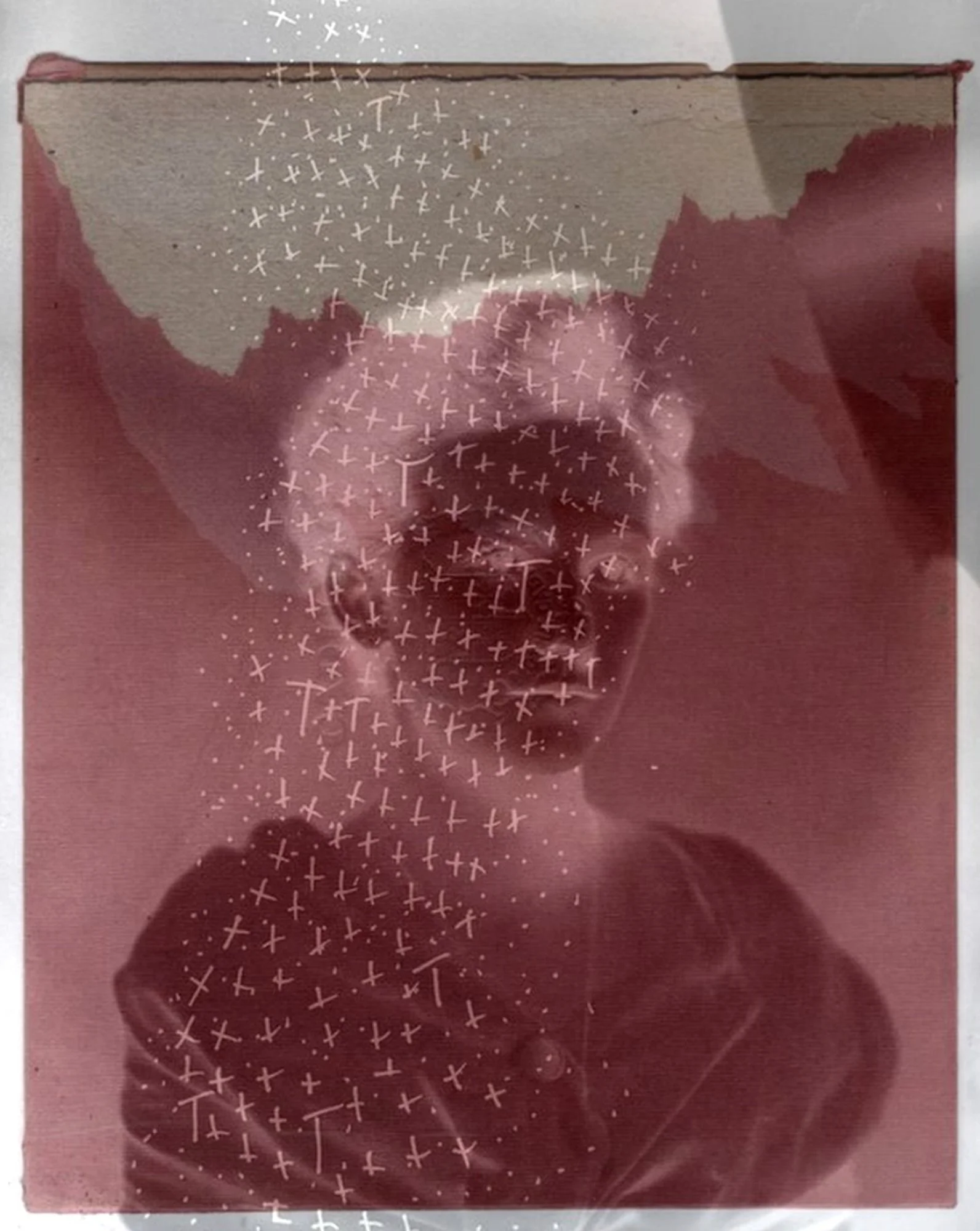
Linda Plaisted - “Big T “ traumas such as major events like wars, violence, abuse or the death of a loved one are life-changing. “Small t” traumas are seen as less impactful yet can still leave their marks on the individual. No matter the severity of the event, trauma occurs when there are incomplete self protection responses in the body waiting to resolve after fight, flight and freeze. These unfinished impulses can become stuck in our bodies, which can result in physical and emotional symptoms. Just because an event is over and we survived, does not mean incomplete energy is resolved. The nervous system holds a story that needs to be told and art is one of the ways I release the past. Drawing a pattern of large and small letter T’s atop my original photography then piercing through each printed letter with a knife offers a symbolic way for the stuck energies to escape, and for the light to get in.
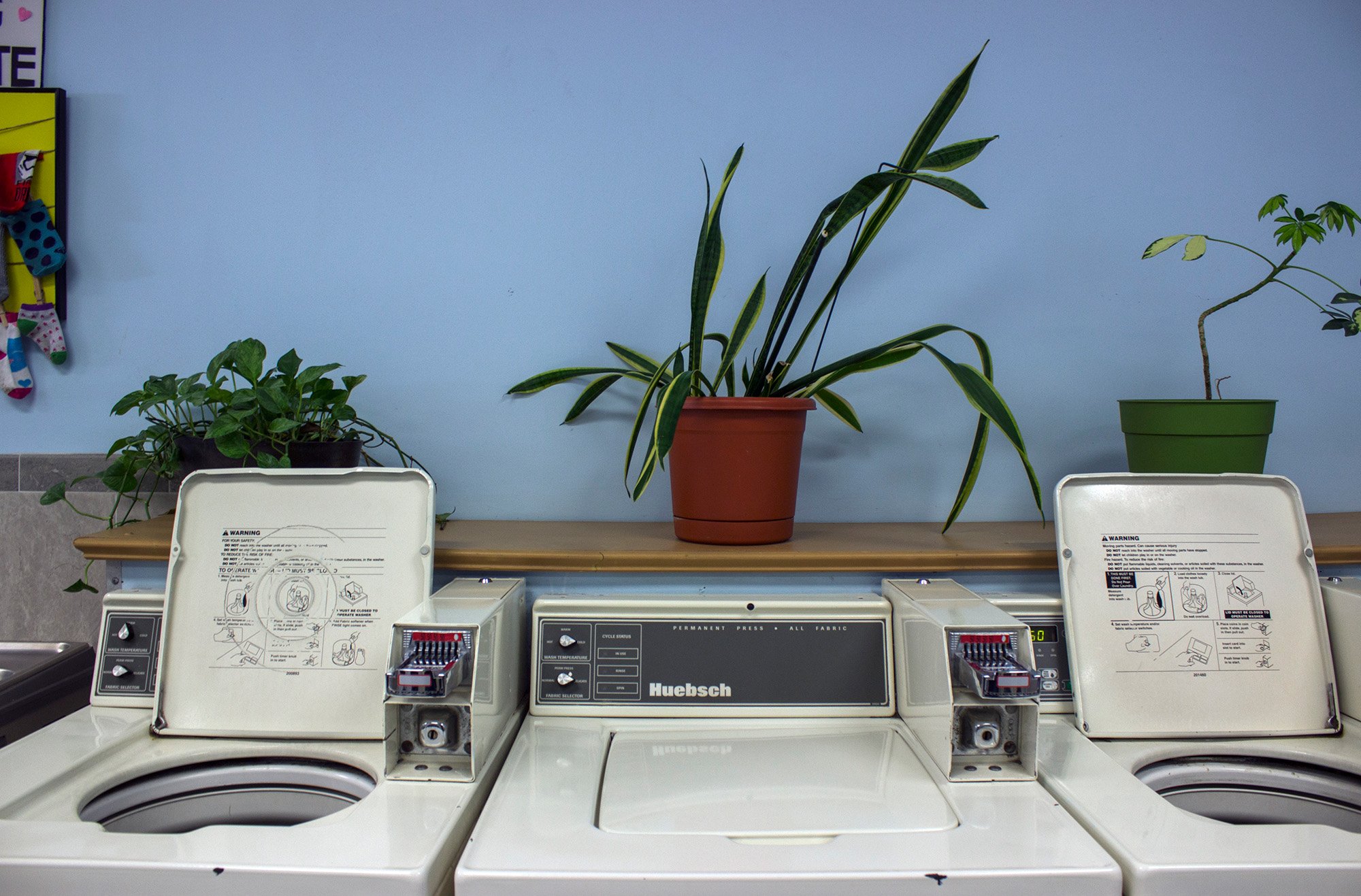
Elizabeth Calderone -My work is a direct response to being raised by an emotionally abusive mother, and my way of processing the lasting effects of it. I have always struggled with the concept of home due to being raised in an unsafe environment. My images are meant to challenge that concept while showing the people who have supported my growth. The photos I take are constructed and meant to appear natural to document my reality. My photographs are a testament of survival and allows me to build a life with meaning and strength. I carry that every time I pick up my camera.
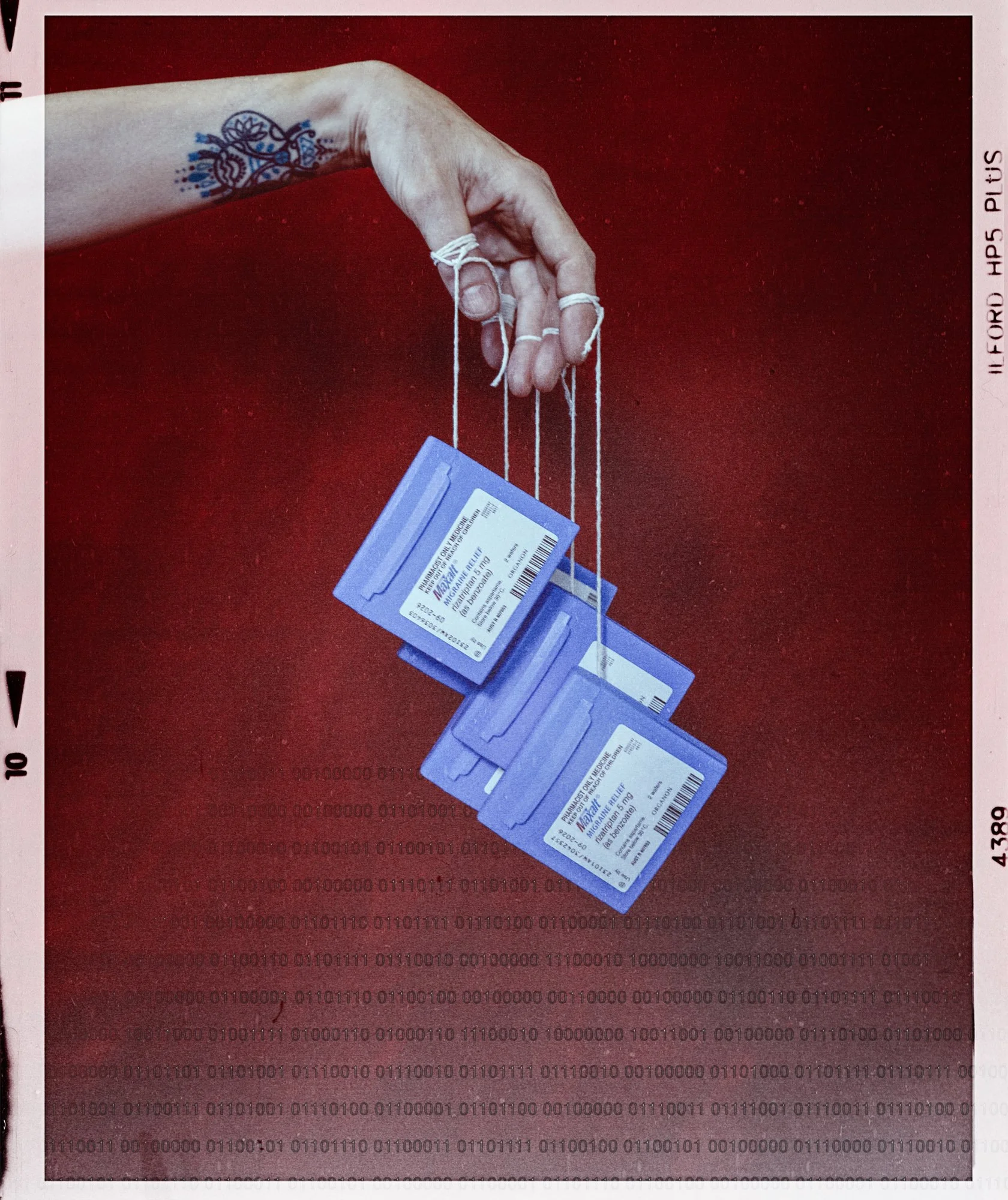
Lisa Murray - How quickly I fall beneath the baseline. Entangled Depleted Absent. Medications to lift me up, to remind my heart to keep beating, to reduce the risk of cancer returning, to block the migraines, to soften the body and sharpen the mind. It’s an exhausting, never-ending cycle, trying to get back to base. Assembling this work from snippets of digital, analogue, new and archival images - interlacing them with scanned objects and inscribing them with binary notation: 1 for ‘ON’ and 0 for ‘OFF’ that mirror how digital systems encode presence and absence - has felt like a delicate balancing act, like the juggling of medication.